


.jpg)
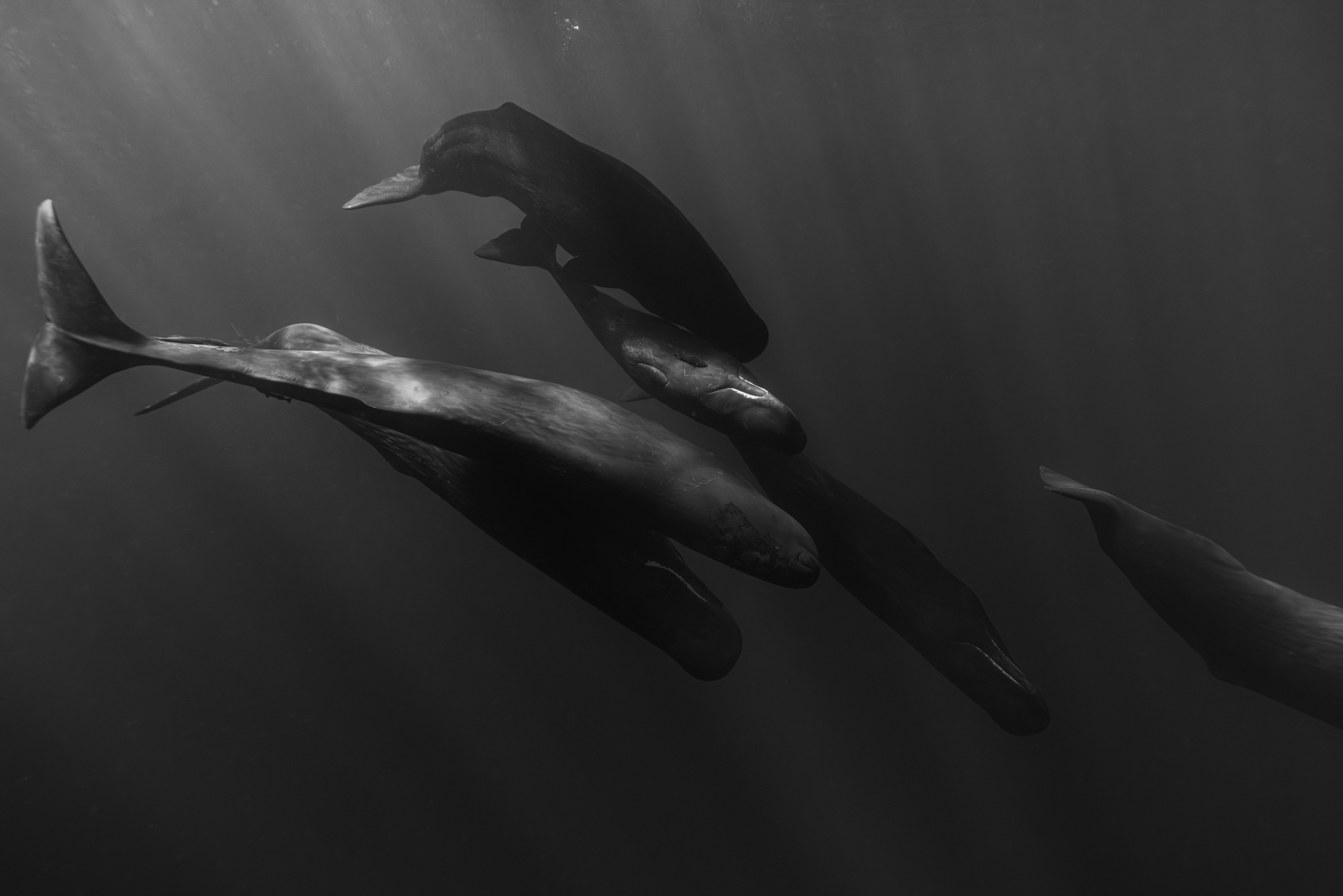
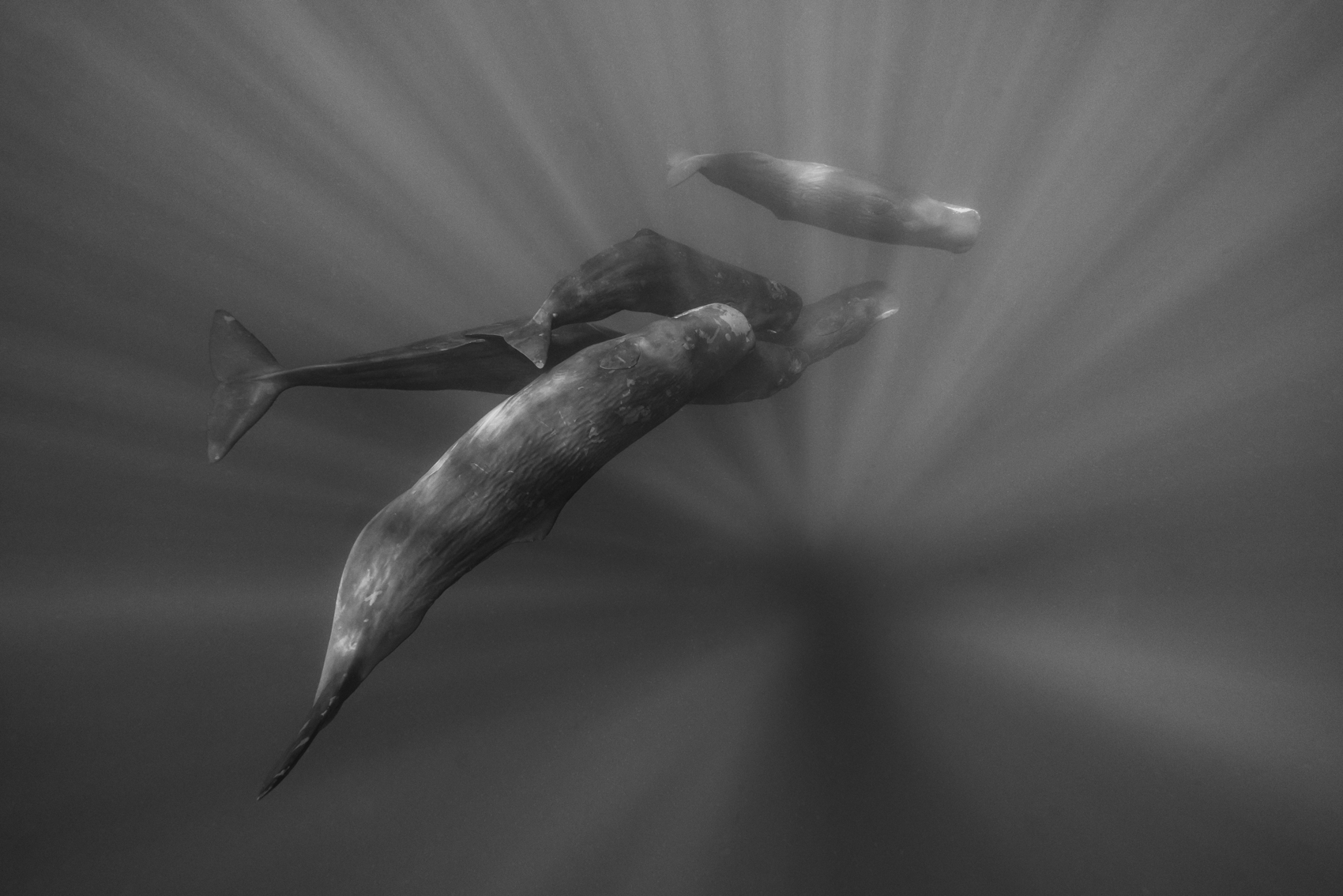
Form and function are tightly knit across the animal kingdom. And if ever there were a being built for the deep, it would be this one.
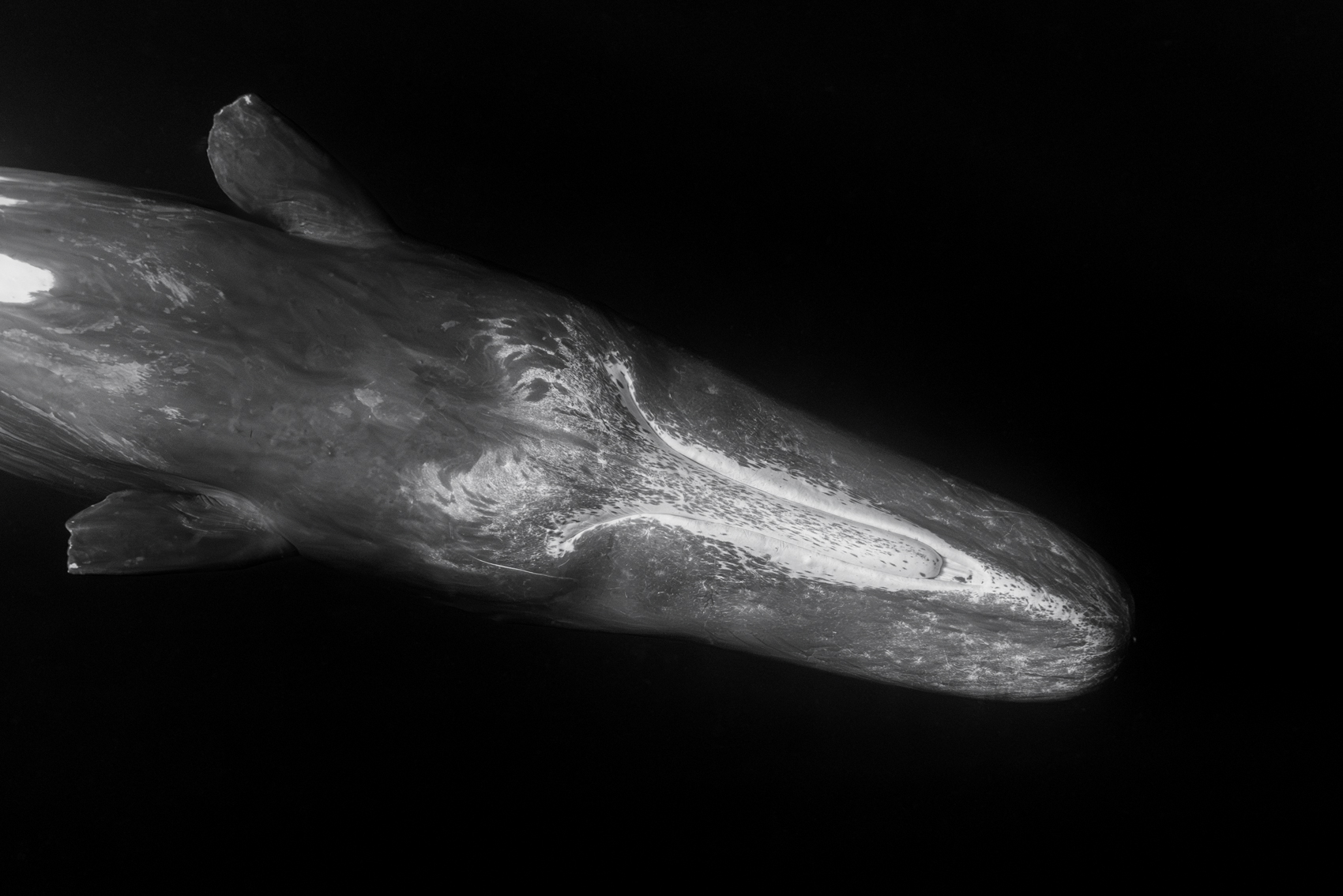
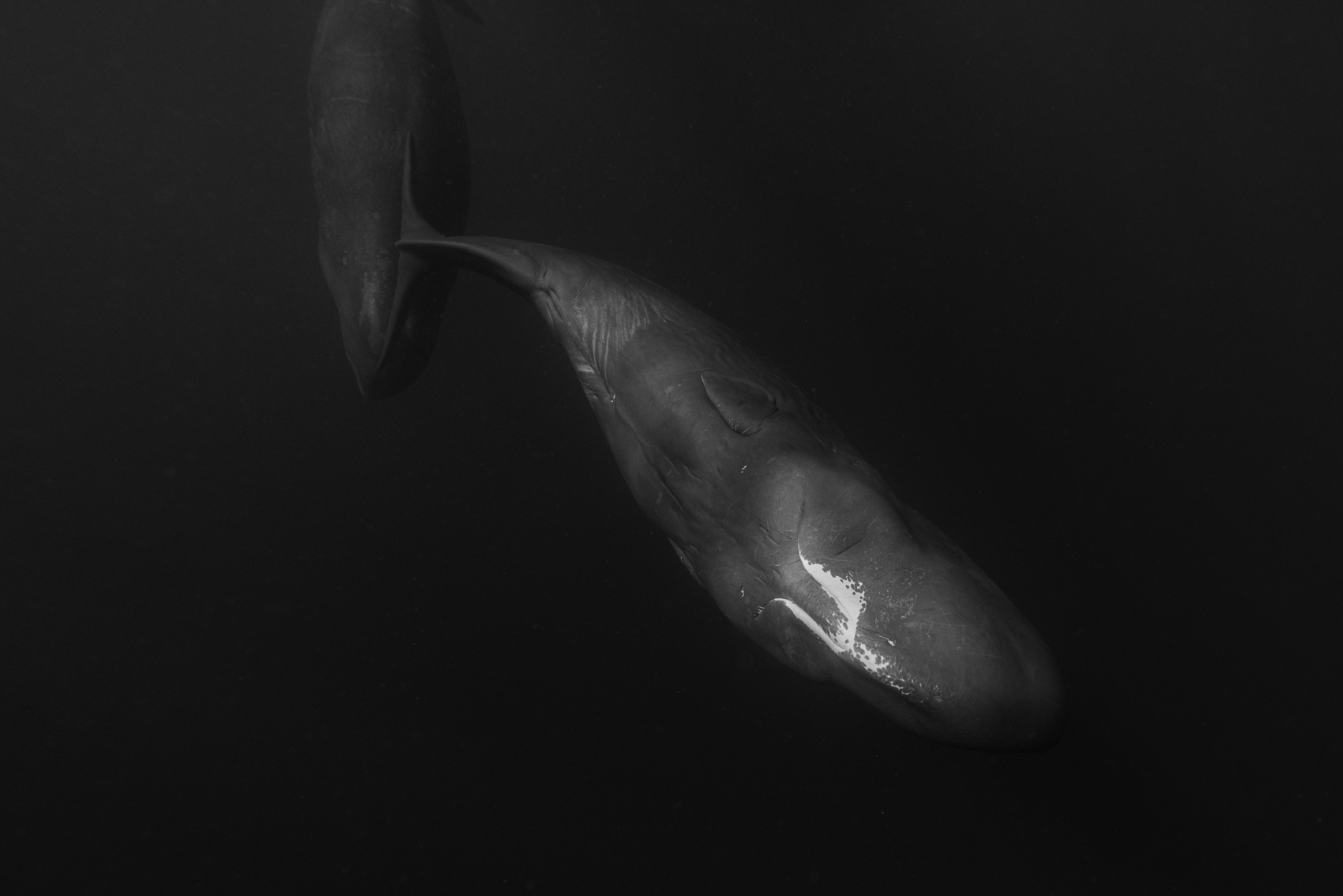
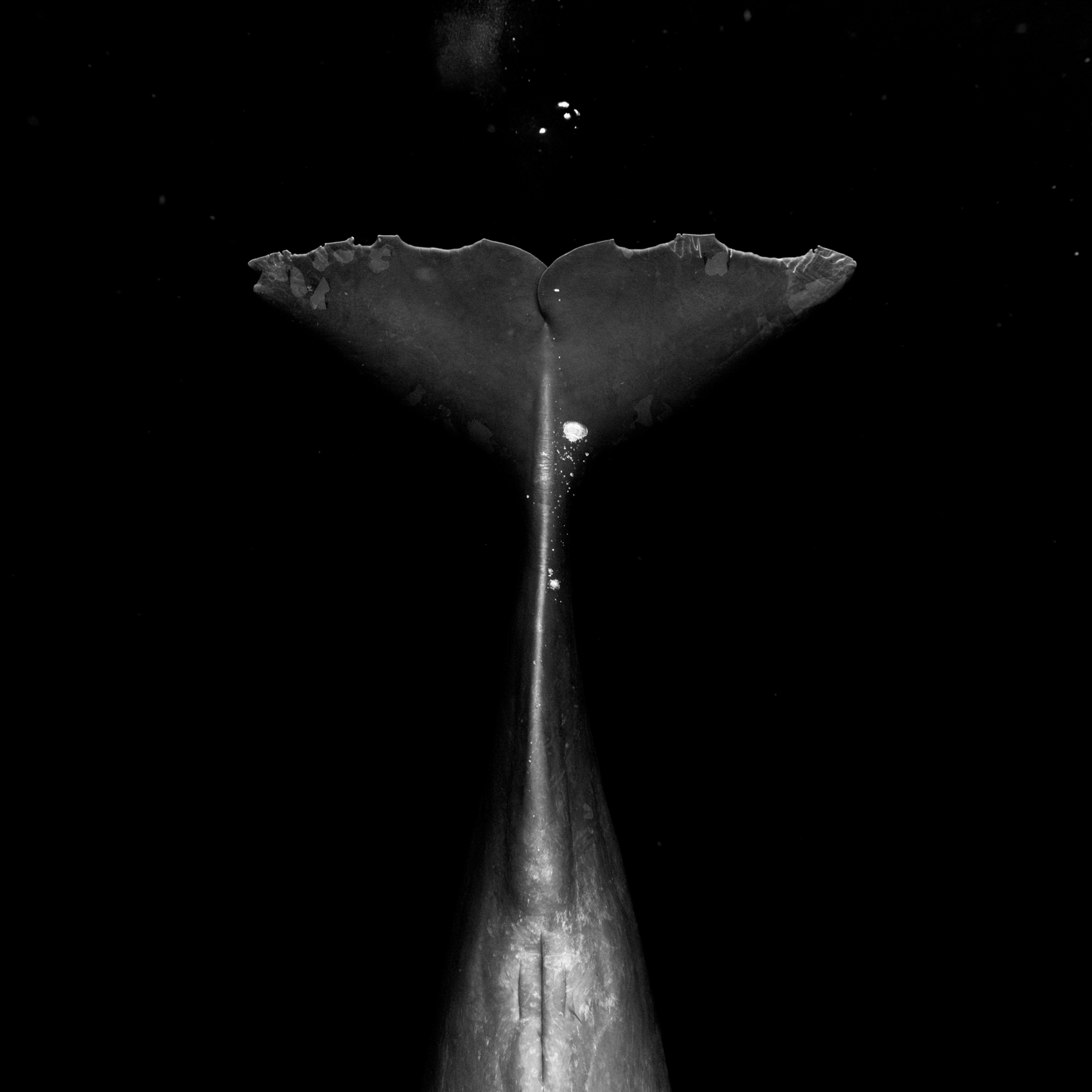
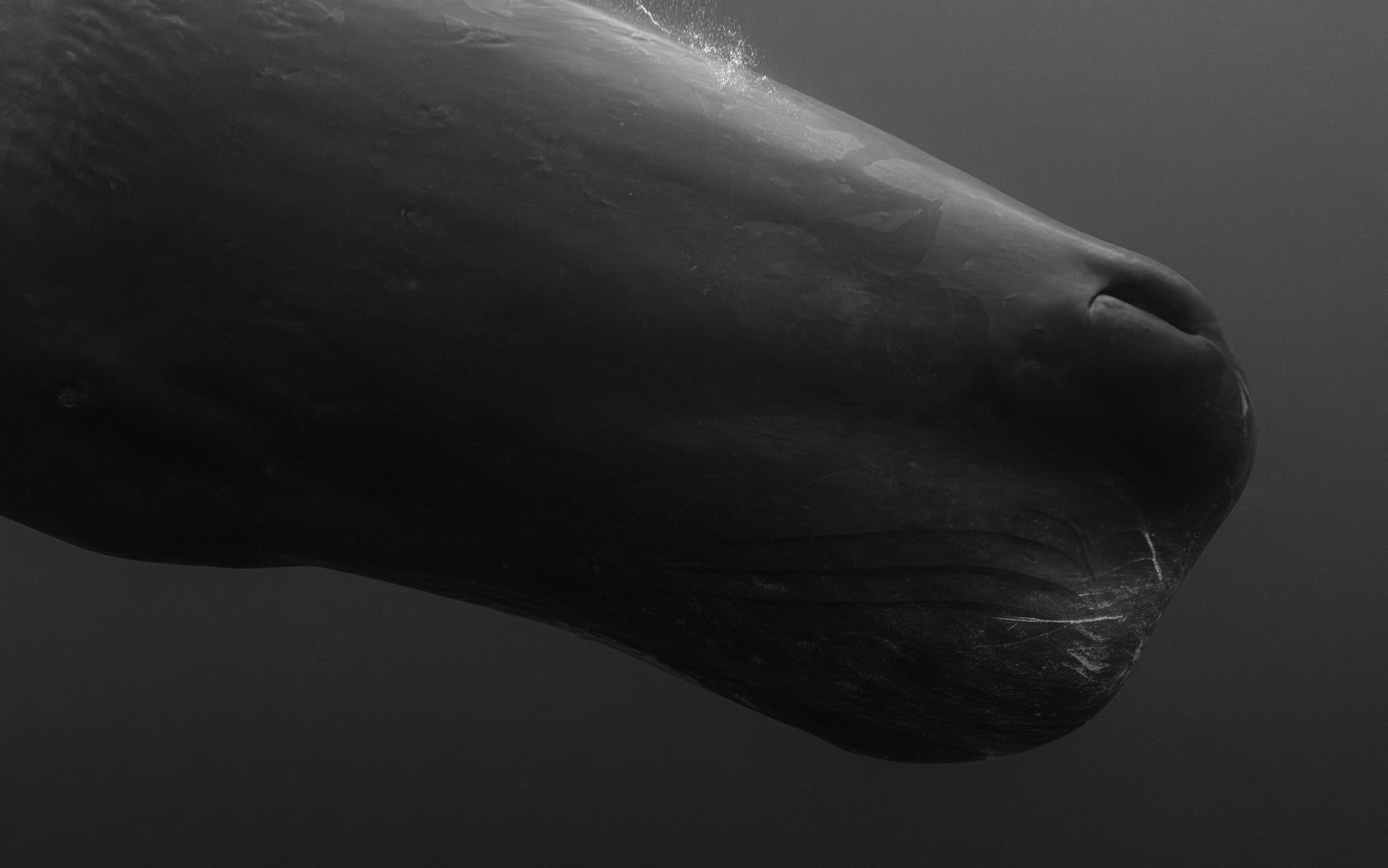
The sperm whale is the largest predator on the planet, and these long, gray giants are physiological miracles. When their small pectoral fins aren’t used for steering, they lie flush against the body—giving the whale its streamlined shape that resembles a submarine.
But these living vessels dive deeper than anything military-grade.
Swim to the bottom of a pool, and you'll start to feel pressure against your eardrums. At six thousand feet—a depth these whales frequent—the animals endure pressure nearly 200 times greater than at the surface.
Their sleek bodies reduce drag, helping them descend with minimal energy.
The lungs collapse to a tiny fraction of their surface volume.
Air is forced into the rigid trachea, preventing bubbles forming in the blood that would cause the bends.
Heart rate and metabolism slow.
Blood is redirected to the heart and brain.
Oxygen stored in myoglobin-rich muscle tissue is tapped to power the pursuit.
It's the blueprint for survival in the trenches.
Clicking sounds, still audible from the surface, are the final sign of the whales as their shapes fade into the depths. The idea of it all is as eerie as it is unfathomable—stories unfolding in complete darkness, with no audience.
And it’s the mystery of these marvels that keeps me coming back.

LIMITED EDITION
A moment captured for a life on paper.
Eric works with a renowned print studio in Brooklyn, New York, known for decades of expertise in archival pigment printing. The local lab allows for a collaborative approach, ensuring that his intended vision is expressed in the final artwork. When cared for properly, archival pigment prints can last for over a century.
Archival Pigment Prints
Modern printmaking, refined. Pigment prints utilize state-of-the-art digital technology and high-quality pigment-based inks to achieve striking reproductions. A digital image is applied directly onto the paper using precision inkjet printers, ensuring both image quality and longevity.
Vision meets the surface. Archival papers differ in weight, material, and texture. A paper is chosen to best suit the intent of the piece, from satin finishes to enhance rich shadows and colors, to handmade Japanese rice paper that offers a more textured and vintage feel.
The edition size ensures that only the number of prints indicated will ever be produced. Each print is proofed, reviewed, numbered, and signed by Eric, and includes a Certificate of Authenticity that is unique to your artwork.
Prices from $3,500 USD
10.75'' x 13.5'' / 27.3 x 34.3 cm
Edition of 2 + 2 AP
Larger pieces available by commission
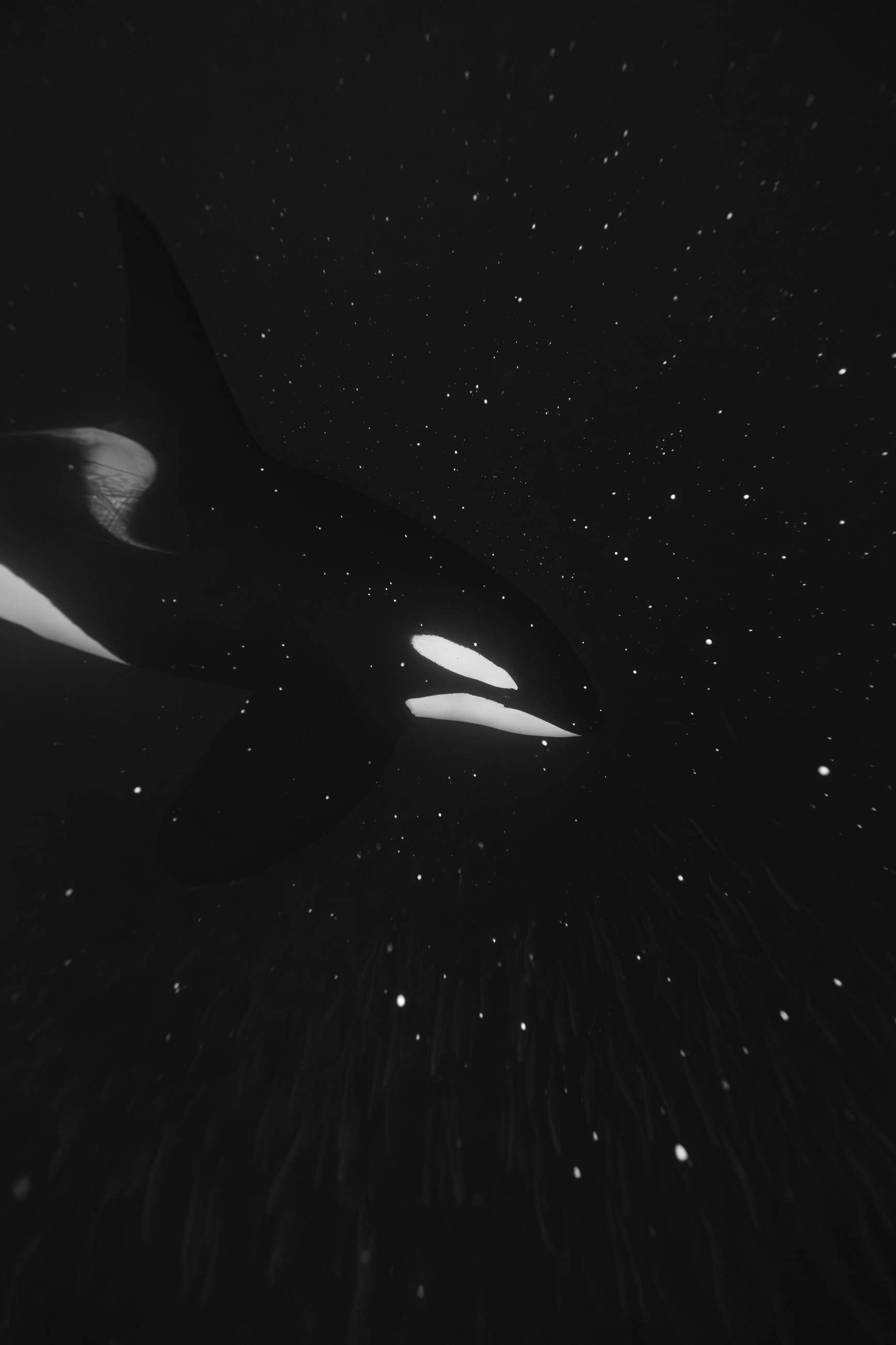
These animals spend around the majority of their lives in pure darkness, making these encounters at the surface even more special.
.webp)

Pigment-based inks and precision digital technology achieve striking reproductions. Each image is applied directly onto archival paper using high-fidelity inkjet printers, ensuring both image quality and longevity.

Archival papers differ in weight, material, and texture. Each is chosen to best suit the intent of the piece—from satin finishes that enhance shadows and color, to washi that offers a textured, tactile feel.
Silver gelatin prints are produced using traditional darkroom techniques that date back to the early 20th century. The image is exposed onto paper coated with a light-sensitive silver salt emulsion and developed through chemical processing.
The paper's gelatin layer captures intricate details and textures within an image. Prints reveal rich blacks and a broad tonal range, giving each piece a distinct dimensionality.
Each edition is strictly limited to the number of prints indicated. Every work is proofed, reviewed, signed, and accompanied by a numbered Certificate of Authenticity.
A select number of Artist Proofs are reserved for the artist, family, or collectors.
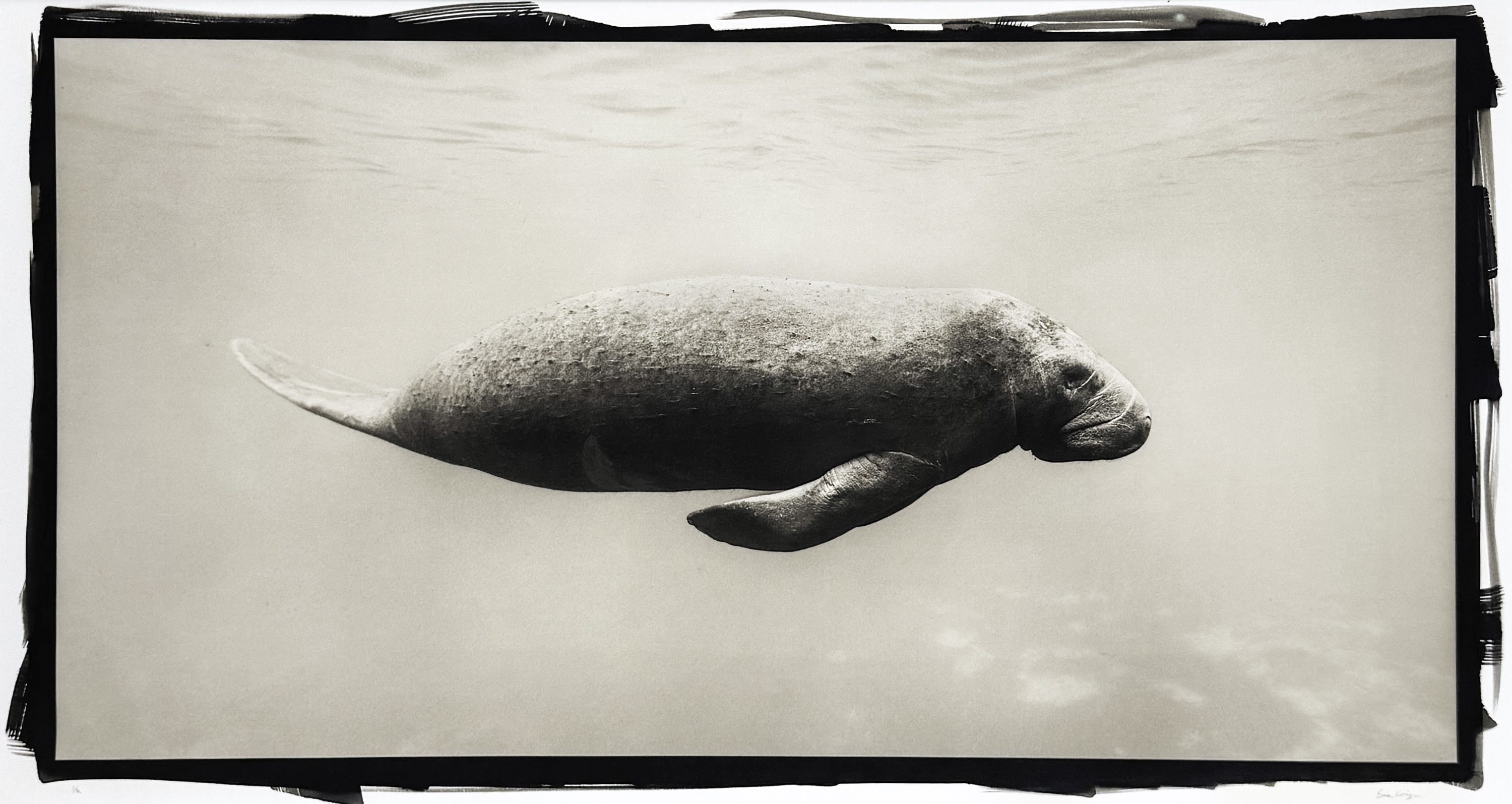
Platinum-palladium printing originated in the 19th century. It is a manual process requiring extensive preparation and craftsmanship, and some of the rarest metals on earth.
A digital photograph is converted to a negative of the image, which is then used in this traditional contact printing method.
Rich blacks, soft grays, and detail in shadows are unmatched, even by modern inkjet printers. Smooth tonal transitions and a warm appearance create a print that is uniquely platinum.
Black brush strokes around the edge of the image from the chemical application reveal the handmade nature of the piece—no two will ever be the same.
Platinum-palladium prints have an archival rating of more than 1,500 years.
A solution of noble metals is used to coat the paper, allowing for the print's longevity. When ultraviolet light is exposed through this digital negative onto the chemical layer, platinum particles become physically embedded in the fibers of the paper. These particles form the image, which is then developed in a chemical bath.
Each edition is strictly limited to the number of prints indicated. Every work is proofed, reviewed, signed, and accompanied by a numbered Certificate of Authenticity.
A select number of Artist Proofs are reserved for the artist, family, or collectors.
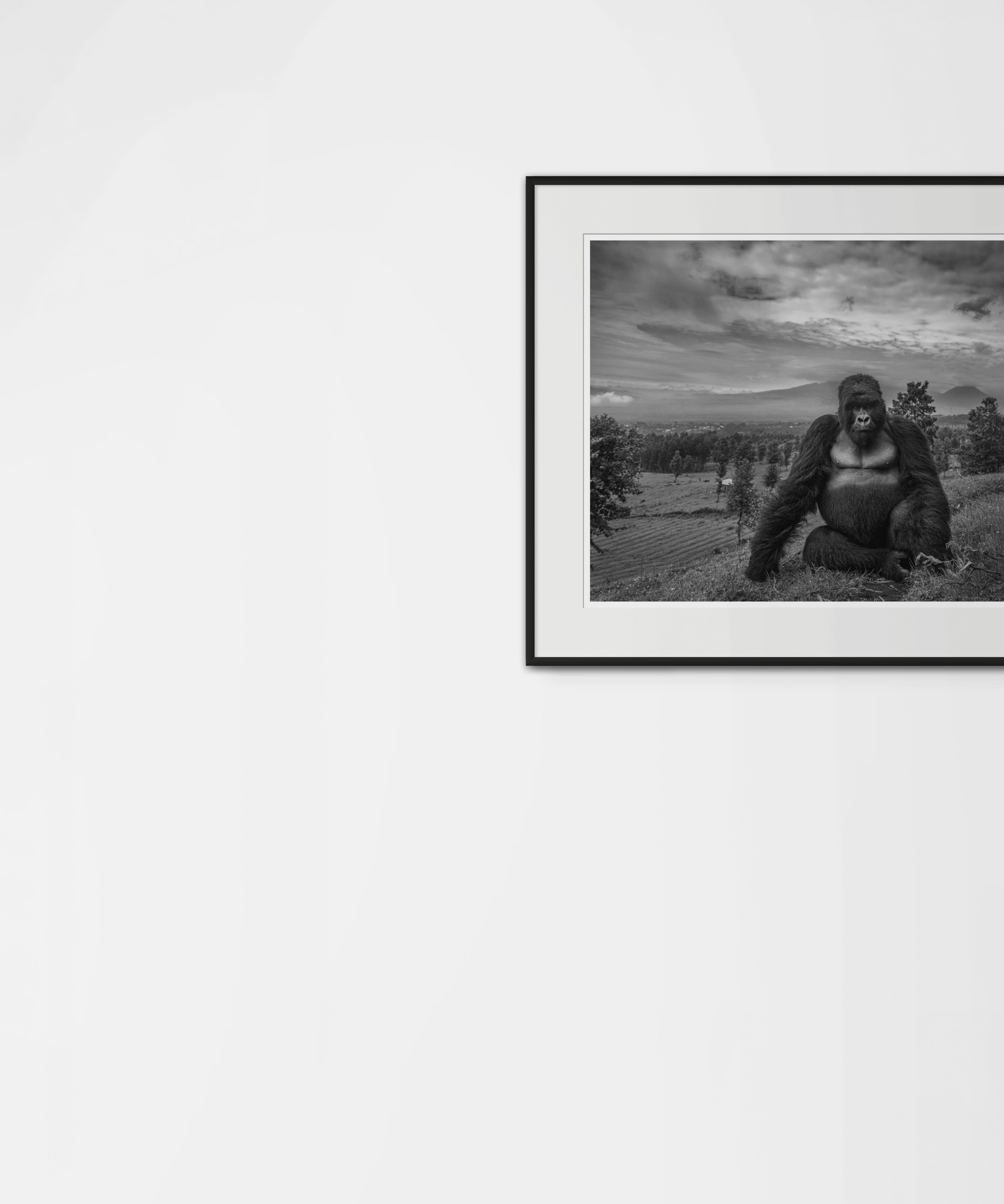
For additional information on this print, including availability, pricing, or edition details, please complete the form below.





.jpg)


.jpg)

%20srgb.jpg)