



"The quality that we call beauty, however, must always grow from the realities of life."
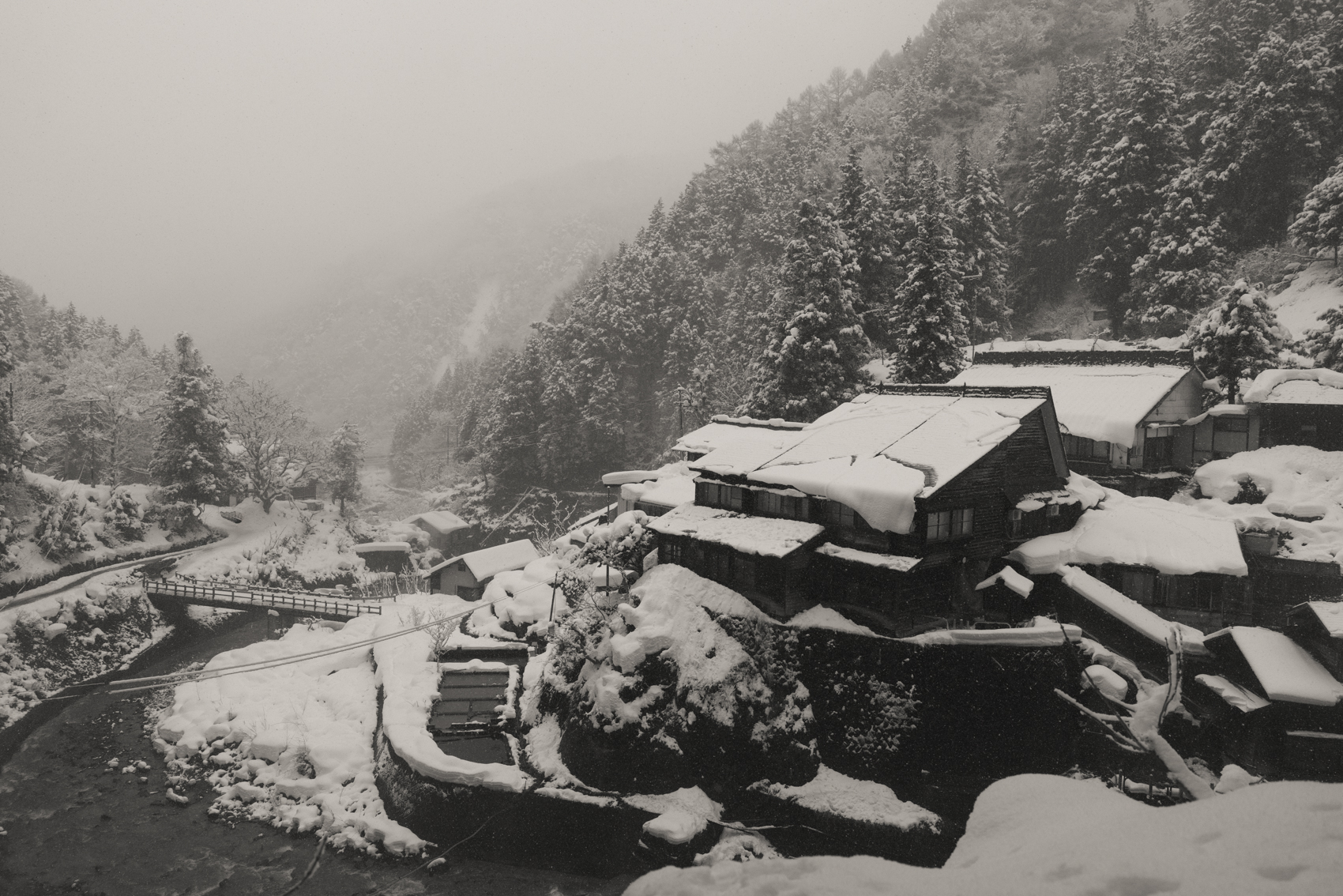
Following a tour of three Zen gardens in Kyoto, the guide shared an essay written by Jun'ichirō Tanizaki in 1933, titled In Praise of Shadows. In it, he contrasts the Japanese appreciation for the subtlety and transience of dimness and darkness, and the beauty and mystery they evoke, with the Western preference for bright, harsh ambiance.
"We delight in the mere sight of the delicate glow of fading rays clinging to the surface of a dusky wall, there to live out what little life remains to them. We never tire of the sight, for to us this pale glow and these dim shadows far surpass any ornament."
His perspective ties closely to the Japanese concept of Ma, which describes the importance of negative space between objects, or between moments in time. It’s a principle deeply embedded in Japanese art, architecture, language, and interaction. Ma is the intentional interval that creates balance and flow in life.
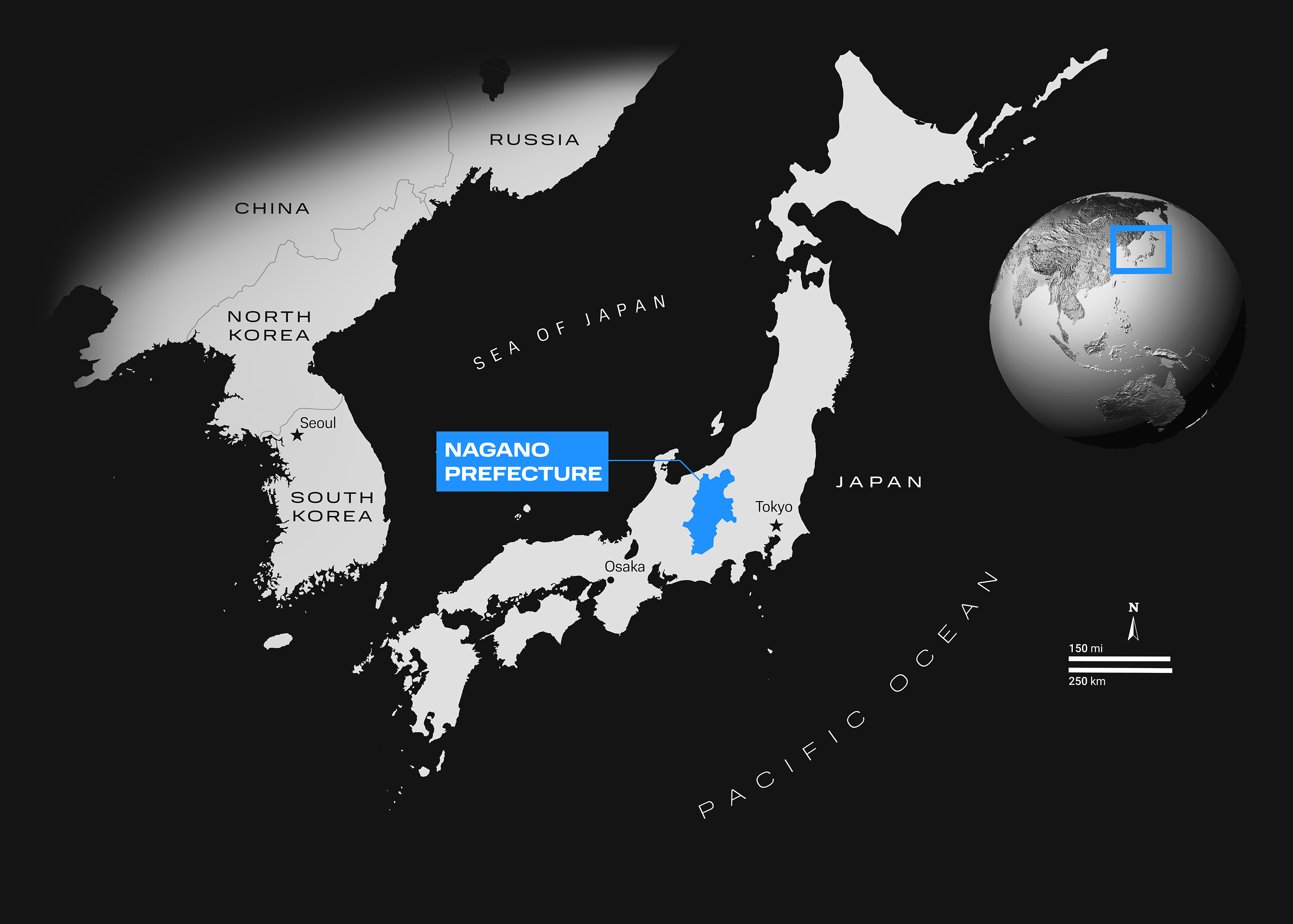
There’s no shortage of flash and awe in this bustling island nation.
But so much is said in what isn’t.
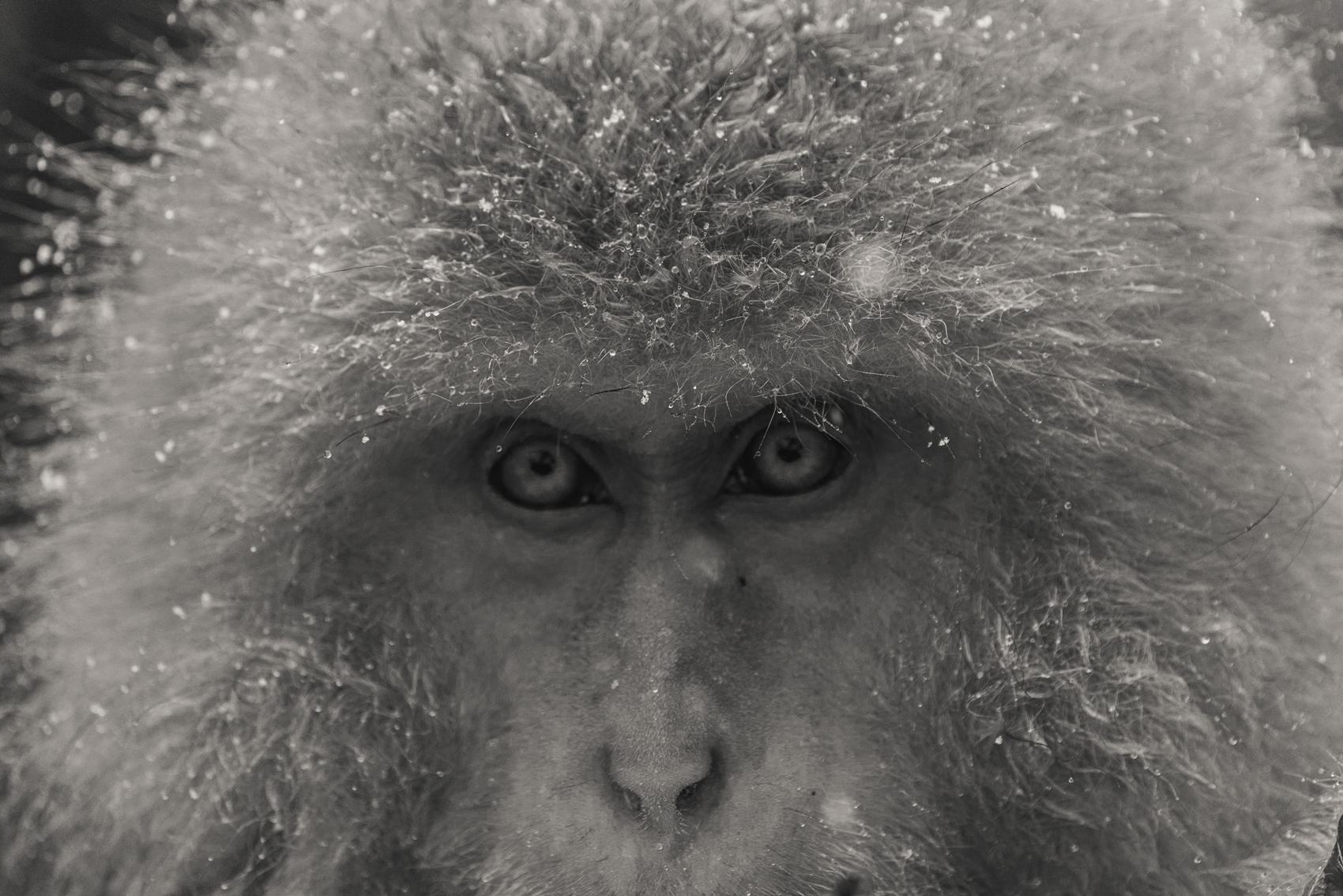
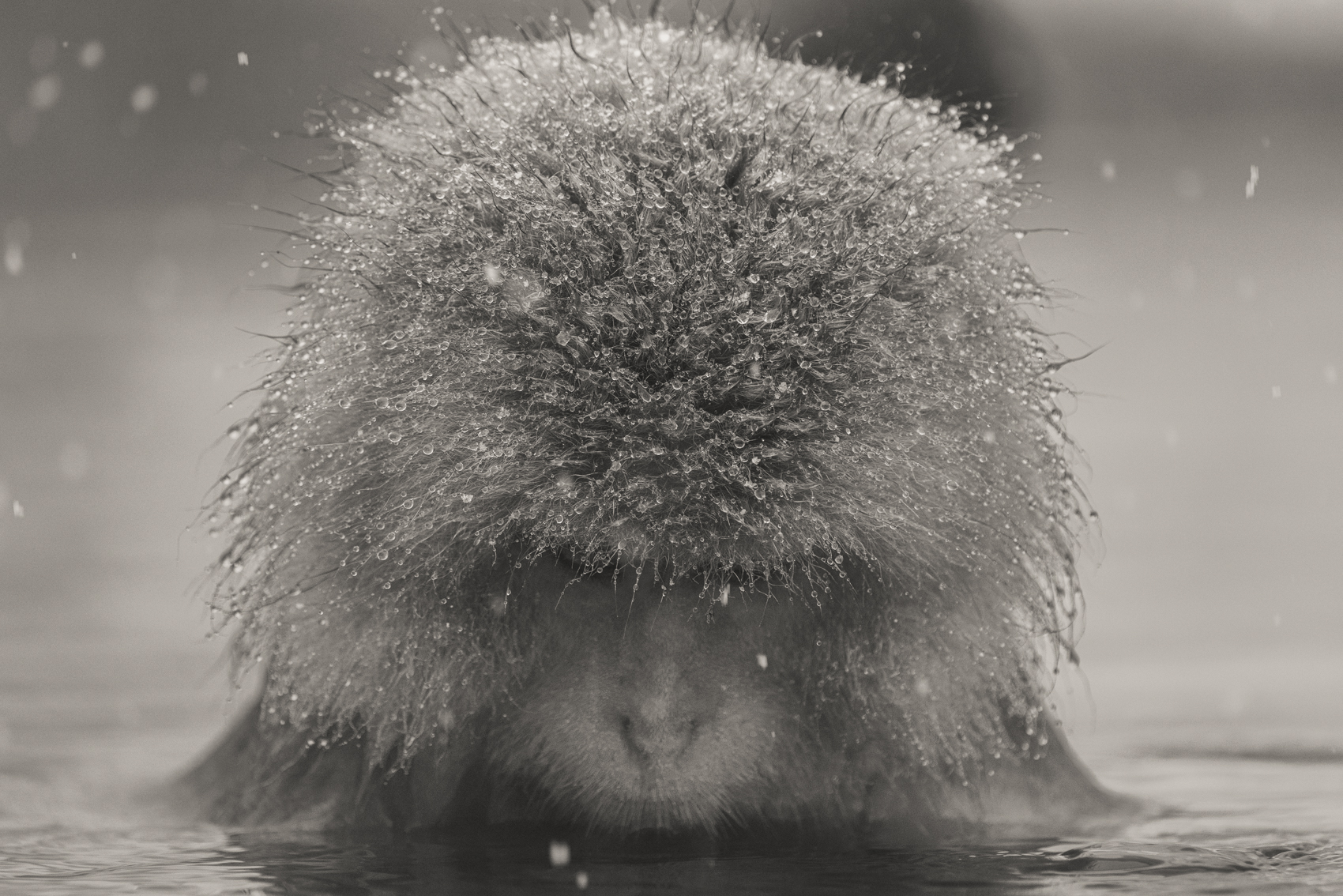
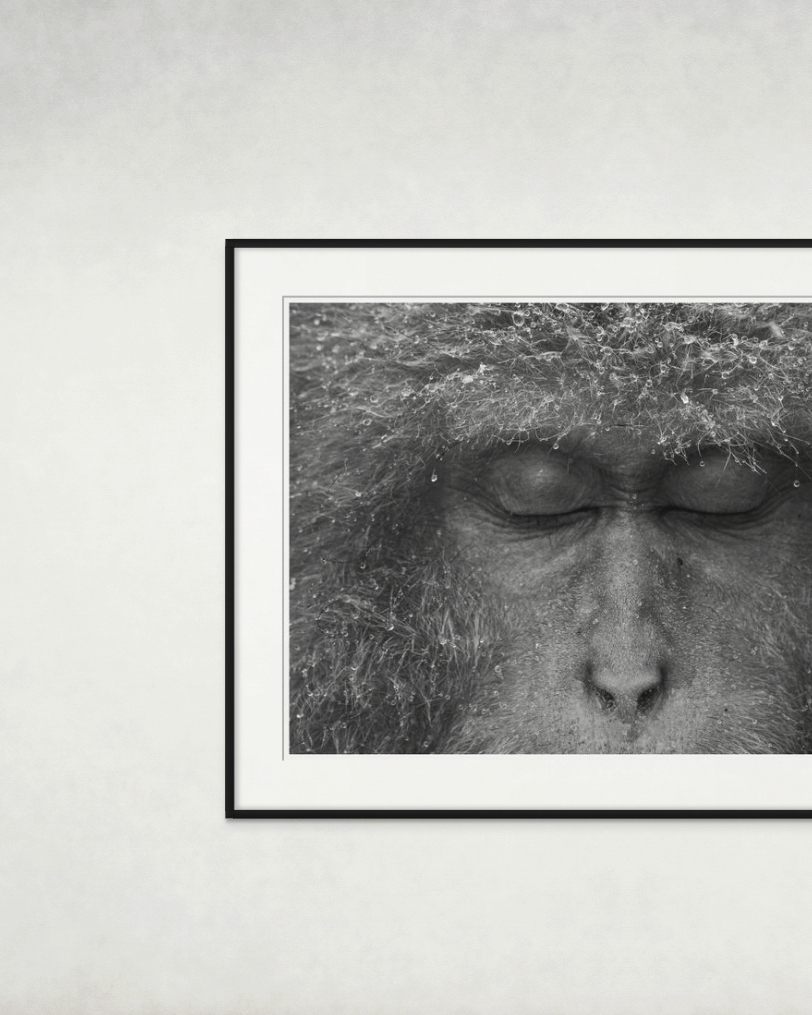
The slow closing of the eyelids that lets you take in the delicate details on the macaque's face—the creases, the stillness, the way the water holds on his hair.
The muted blinking of red obstruction lights across a sea of Tokyo skyscrapers.
The bow from the Shinkansen conductor to his successor on the platform.
The people paused at a crosswalk—no cars in sight—waiting for the light to turn green before taking their next step.
These subtle, fleeting moments stay with you long after you leave.
The pale glow that keeps me coming back.

LIMITED EDITION
A moment captured for a life on paper.
Eric works with a renowned print studio in Brooklyn, New York, known for decades of expertise in archival pigment printing. The local lab allows for a collaborative approach, ensuring that his intended vision is expressed in the final artwork. When cared for properly, archival pigment prints can last for over a century.
Archival Pigment Prints
Modern printmaking, refined. Pigment prints utilize state-of-the-art digital technology and high-quality pigment-based inks to achieve striking reproductions. A digital image is applied directly onto the paper using precision inkjet printers, ensuring both image quality and longevity.
Vision meets the surface. Archival papers differ in weight, material, and texture. A paper is chosen to best suit the intent of the piece, from satin finishes to enhance rich shadows and colors, to handmade Japanese rice paper that offers a more textured and vintage feel.
The edition size ensures that only the number of prints indicated will ever be produced. Each print is proofed, reviewed, numbered, and signed by Eric, and includes a Certificate of Authenticity that is unique to your artwork.
Prices from $3,500 USD
16'' x 24'' / 40.6 x 61 cm
Edition of 10 + 2 AP
26'' x 39'' / 66 x 99.1 cm
Edition of 7 + 2 AP
40'' x 60'' / 101.6 x 152.4 cm
Edition of 5 + 2 AP
54'' x 81'' / 137.2 x 205.7 cm
Edition of 3 + 2 AP
8'' x 12'' / 20.3 x 30.5 cm
Edition of 5 + 2 AP
12'' x 18'' / 30.5 x 45.7 cm
Edition of 3 + 2 AP
Larger pieces available by commission
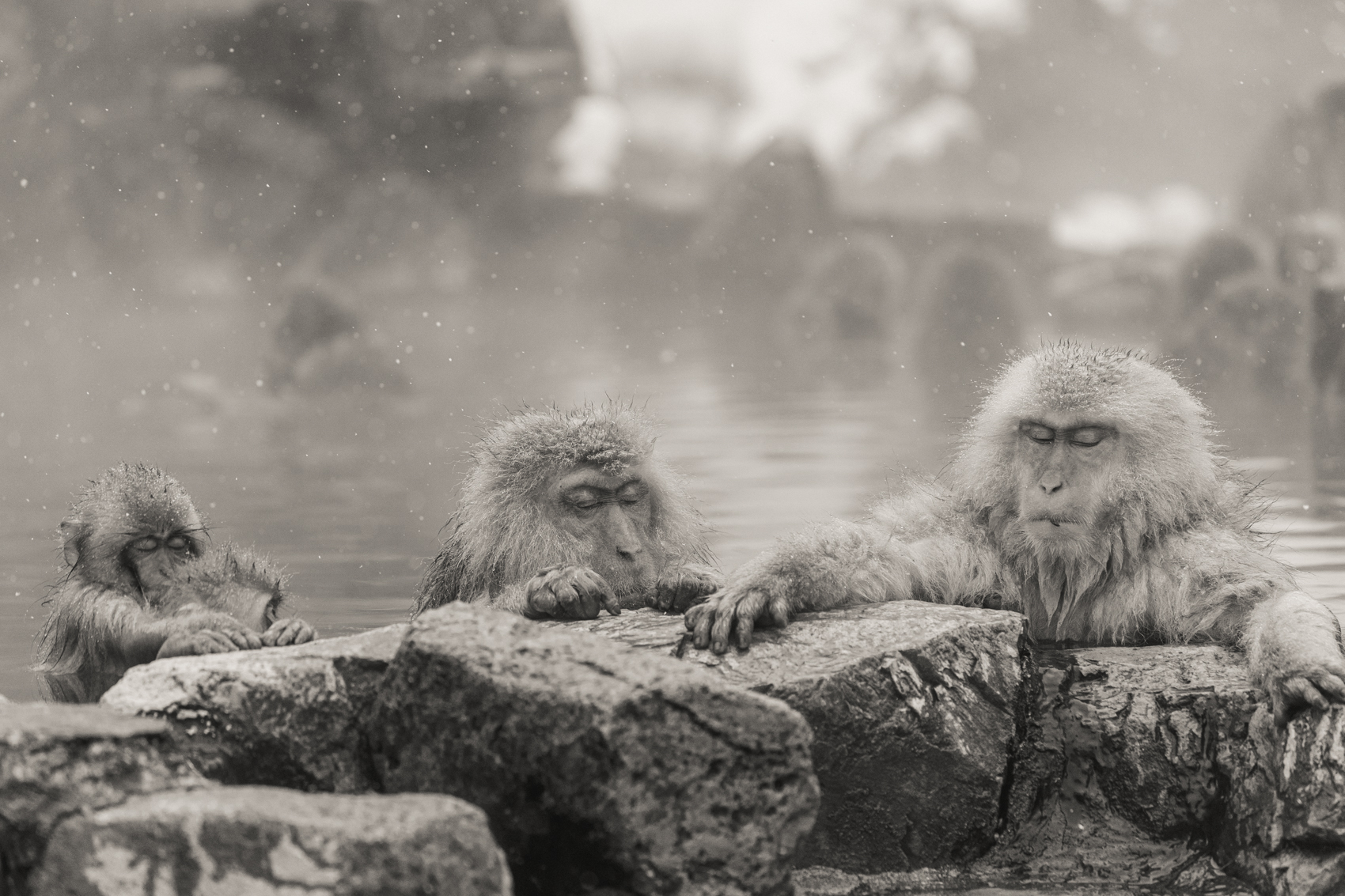
It took a second visit to these familiar faces to get the conditions I was hoping for. After all, what’s a snow monkey without some snow?






.webp)

Pigment-based inks and precision digital technology achieve striking reproductions. Each image is applied directly onto archival paper using high-fidelity inkjet printers, ensuring both image quality and longevity.

Archival papers differ in weight, material, and texture. Each is chosen to best suit the intent of the piece—from satin finishes that enhance shadows and color, to washi that offers a textured, tactile feel.
Silver gelatin prints are produced using traditional darkroom techniques that date back to the early 20th century. The image is exposed onto paper coated with a light-sensitive silver salt emulsion and developed through chemical processing.
The paper's gelatin layer captures intricate details and textures within an image. Prints reveal rich blacks and a broad tonal range, giving each piece a distinct dimensionality.
Each edition is strictly limited to the number of prints indicated. Every work is proofed, reviewed, signed, and accompanied by a numbered Certificate of Authenticity.
A select number of Artist Proofs are reserved for the artist, family, or collectors.
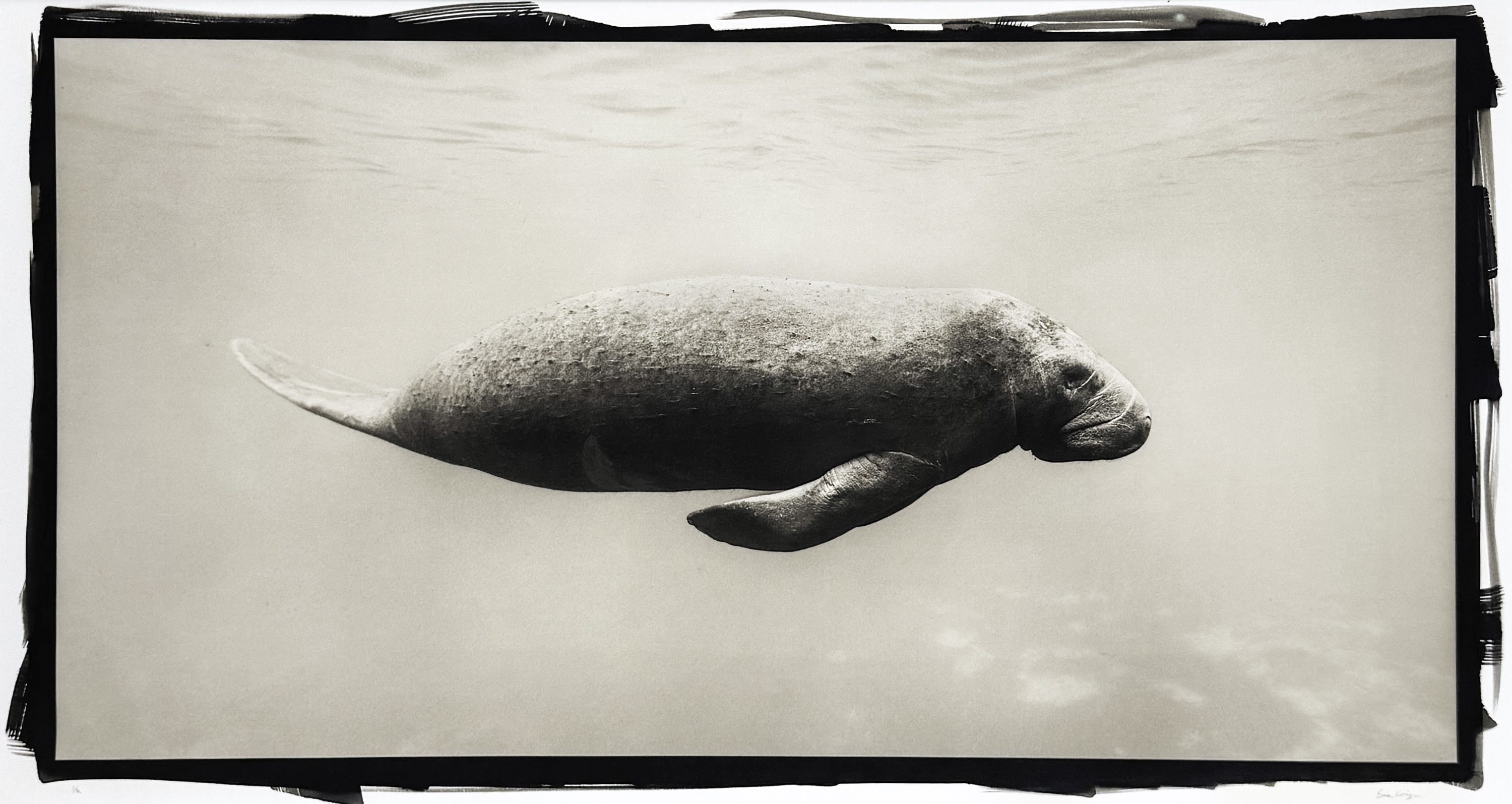
Platinum-palladium printing originated in the 19th century. It is a manual process requiring extensive preparation and craftsmanship, and some of the rarest metals on earth.
A digital photograph is converted to a negative of the image, which is then used in this traditional contact printing method.
Rich blacks, soft grays, and detail in shadows are unmatched, even by modern inkjet printers. Smooth tonal transitions and a warm appearance create a print that is uniquely platinum.
Black brush strokes around the edge of the image from the chemical application reveal the handmade nature of the piece—no two will ever be the same.
Platinum-palladium prints have an archival rating of more than 1,500 years.
A solution of noble metals is used to coat the paper, allowing for the print's longevity. When ultraviolet light is exposed through this digital negative onto the chemical layer, platinum particles become physically embedded in the fibers of the paper. These particles form the image, which is then developed in a chemical bath.
Each edition is strictly limited to the number of prints indicated. Every work is proofed, reviewed, signed, and accompanied by a numbered Certificate of Authenticity.
A select number of Artist Proofs are reserved for the artist, family, or collectors.
For additional information on this print, including availability, pricing, or edition details, please complete the form below.







.jpg)

.jpg)
.jpg)


%20srgb.jpg)