


The word “rhapsody” originates from the Greek rhaptein, meaning “to stitch or sew,” and ōidē, meaning “song” or “poetry.” Translated literally, it signifies a stitched-together song or poem. Today, the word is used to describe “an effusively enthusiastic or ecstatic expression of feeling.”
There’s a good chance you’ve heard George Gershwin’s musical composition sharing the same name as the title. If not in full, then at least in part. And if you haven’t, take a moment to listen—this time with your eyes closed. Imagine animals stretching 50 feet long, twirling and tumbling—suspended in water, as if in slow motion.
This piece, premiering in 1924, was a fusion of classical and jazz elements. It was met with mixed reception; critics frequently labeled the erratic components as “melodic incoherence.” It plays as if you’re jumping between chapters in a book—between chapters of different books. Different genres, even.
Turn the page forward a century and the story moves from Midtown Manhattan to the cobalt blue waters off the small island of Dominica.
The composers here are whale-sized.
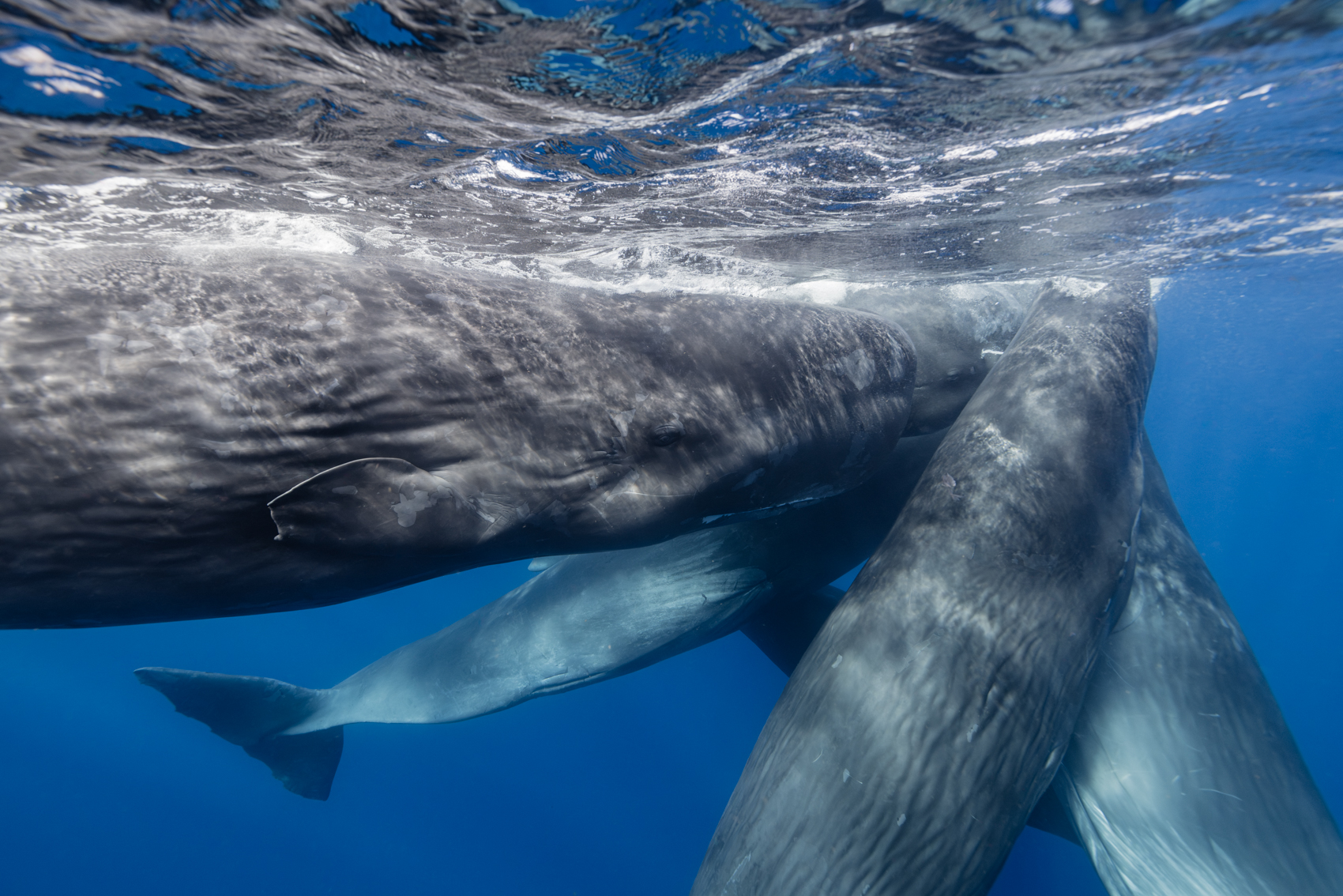
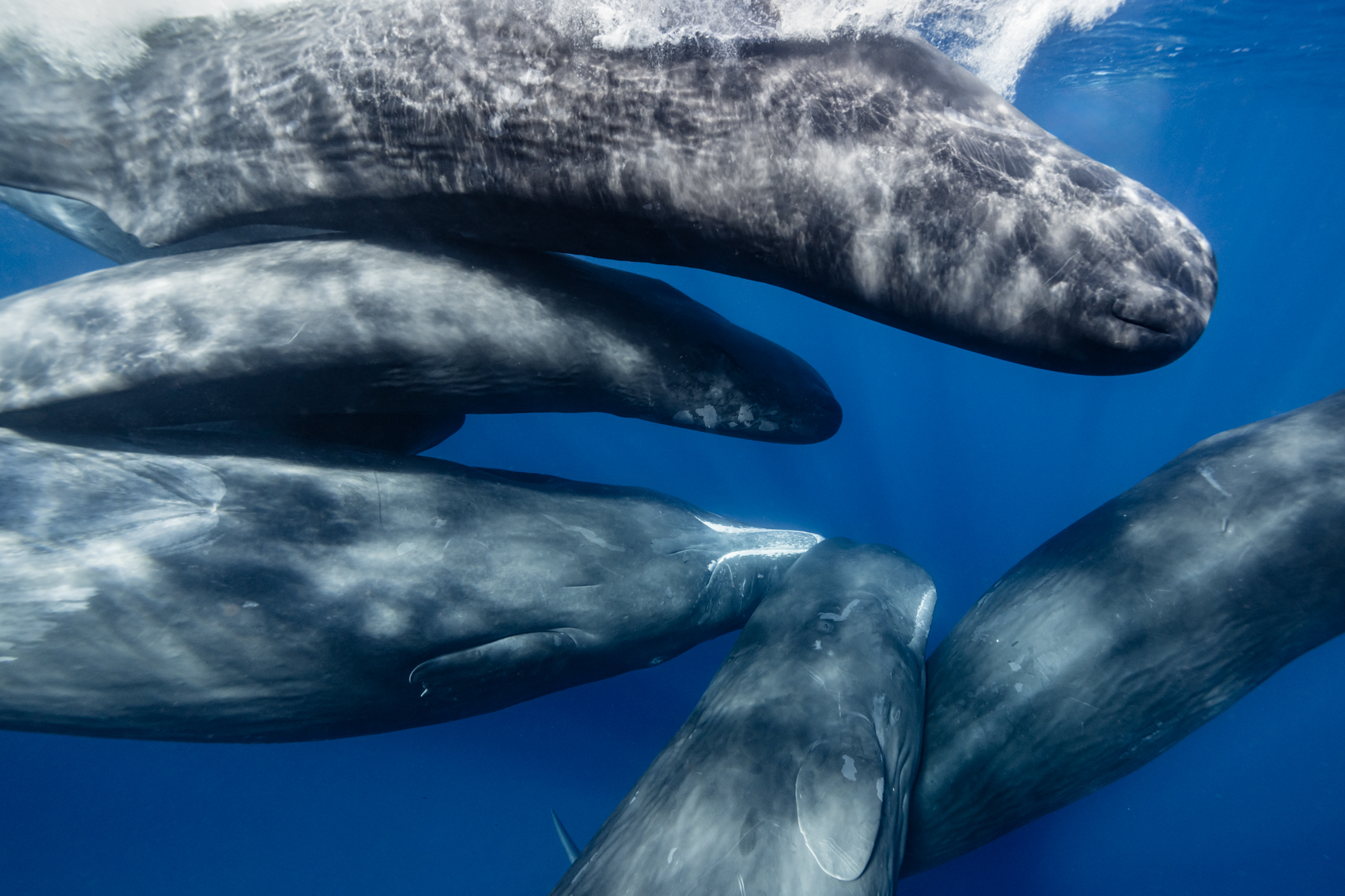
After emerging from the depths following their hunt, sperm whales may take a pause from their linear movement at the surface to socialize.
The whales rub their massive bodies together as they generate a clamor of clicks to communicate. The motions look cumbersome and clumsy, but the element of touch between the animals is critical for the formation of social bonds, as it is for us.
This display is far from coordinated—a barrage of different movements and sounds clashing in every which way.
But the beauty isn’t in the form.
It’s in the feeling.

LIMITED EDITION
A moment captured for a life on paper.
Eric works with a renowned print studio in Brooklyn, New York, known for decades of expertise in archival pigment printing. The local lab allows for a collaborative approach, ensuring that his intended vision is expressed in the final artwork. When cared for properly, archival pigment prints can last for over a century.
Archival Pigment Prints
Modern printmaking, refined. Pigment prints utilize state-of-the-art digital technology and high-quality pigment-based inks to achieve striking reproductions. A digital image is applied directly onto the paper using precision inkjet printers, ensuring both image quality and longevity.
Vision meets the surface. Archival papers differ in weight, material, and texture. A paper is chosen to best suit the intent of the piece, from satin finishes to enhance rich shadows and colors, to handmade Japanese rice paper that offers a more textured and vintage feel.
The edition size ensures that only the number of prints indicated will ever be produced. Each print is proofed, reviewed, numbered, and signed by Eric, and includes a Certificate of Authenticity that is unique to your artwork.
Prices from $3,500 USD
24'' x 15'' / 61 × 38.1 cm
Edition of 10 + 2 AP
36'' x 22.5'' / 91.4 x 57.2 cm
Edition of 7 + 2 AP
56'' x 35'' / 142.2 x 88.9 cm
Edition of 5 + 2 AP
80'' x 50'' / 203.2 x 127 cm
Edition of 3 + 2 AP
18'' x 11.25'' / 45.7 x 28.6 cm
Edition of 3 + 2 AP
Larger pieces available by commission
These moments happen without warning—a sudden congregation of giants at the surface, and a scramble to ready your gear before they disappear again. Underwater, the chaos only continues.






.webp)

Pigment-based inks and precision digital technology achieve striking reproductions. Each image is applied directly onto archival paper using high-fidelity inkjet printers, ensuring both image quality and longevity.

Archival papers differ in weight, material, and texture. Each is chosen to best suit the intent of the piece—from satin finishes that enhance shadows and color, to washi that offers a textured, tactile feel.
Silver gelatin prints are produced using traditional darkroom techniques that date back to the early 20th century. The image is exposed onto paper coated with a light-sensitive silver salt emulsion and developed through chemical processing.
The paper's gelatin layer captures intricate details and textures within an image. Prints reveal rich blacks and a broad tonal range, giving each piece a distinct dimensionality.
Each edition is strictly limited to the number of prints indicated. Every work is proofed, reviewed, signed, and accompanied by a numbered Certificate of Authenticity.
A select number of Artist Proofs are reserved for the artist, family, or collectors.
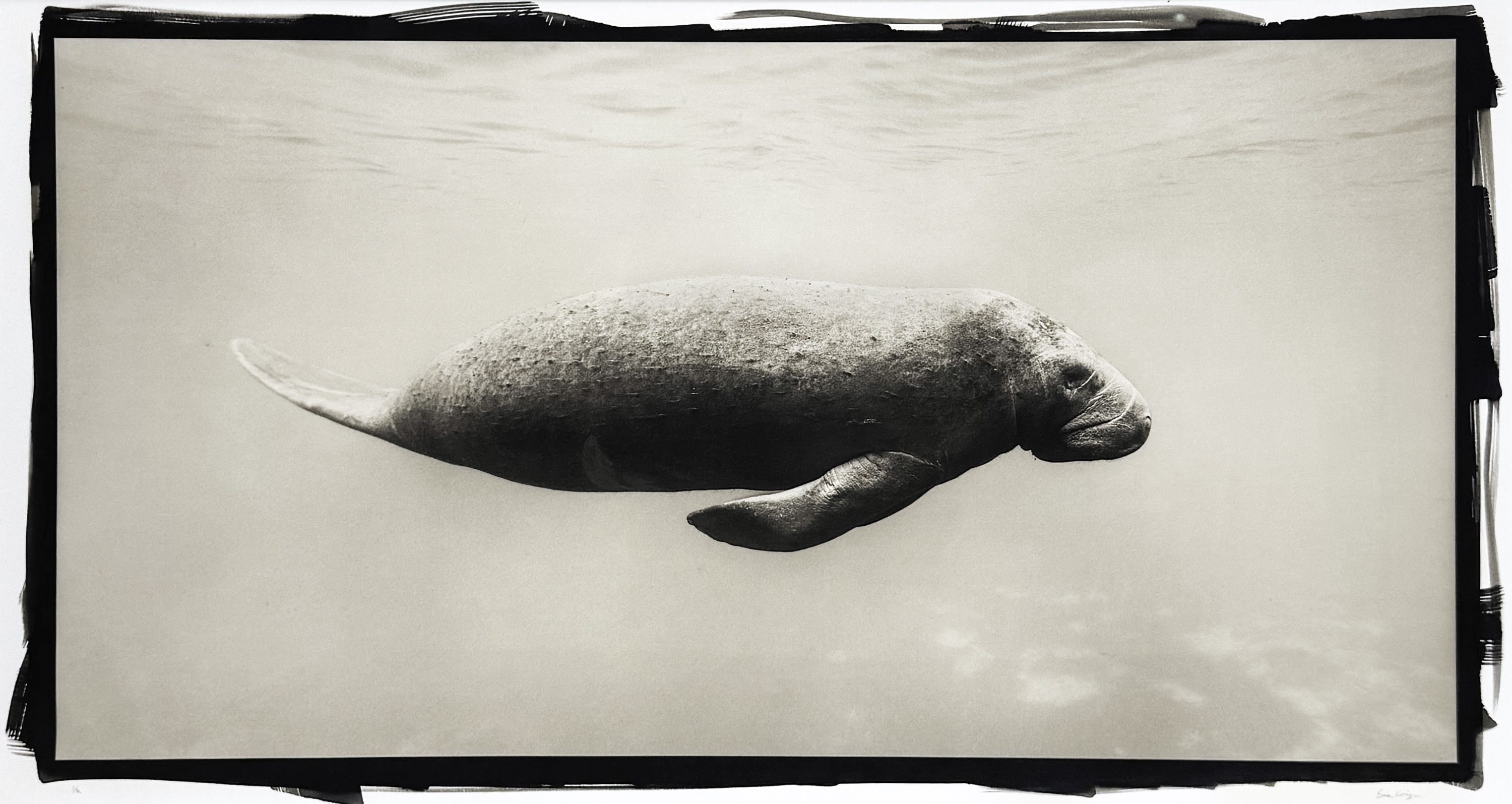
Platinum-palladium printing originated in the 19th century. It is a manual process requiring extensive preparation and craftsmanship, and some of the rarest metals on earth.
A digital photograph is converted to a negative of the image, which is then used in this traditional contact printing method.
Rich blacks, soft grays, and detail in shadows are unmatched, even by modern inkjet printers. Smooth tonal transitions and a warm appearance create a print that is uniquely platinum.
Black brush strokes around the edge of the image from the chemical application reveal the handmade nature of the piece—no two will ever be the same.
Platinum-palladium prints have an archival rating of more than 1,500 years.
A solution of noble metals is used to coat the paper, allowing for the print's longevity. When ultraviolet light is exposed through this digital negative onto the chemical layer, platinum particles become physically embedded in the fibers of the paper. These particles form the image, which is then developed in a chemical bath.
Each edition is strictly limited to the number of prints indicated. Every work is proofed, reviewed, signed, and accompanied by a numbered Certificate of Authenticity.
A select number of Artist Proofs are reserved for the artist, family, or collectors.
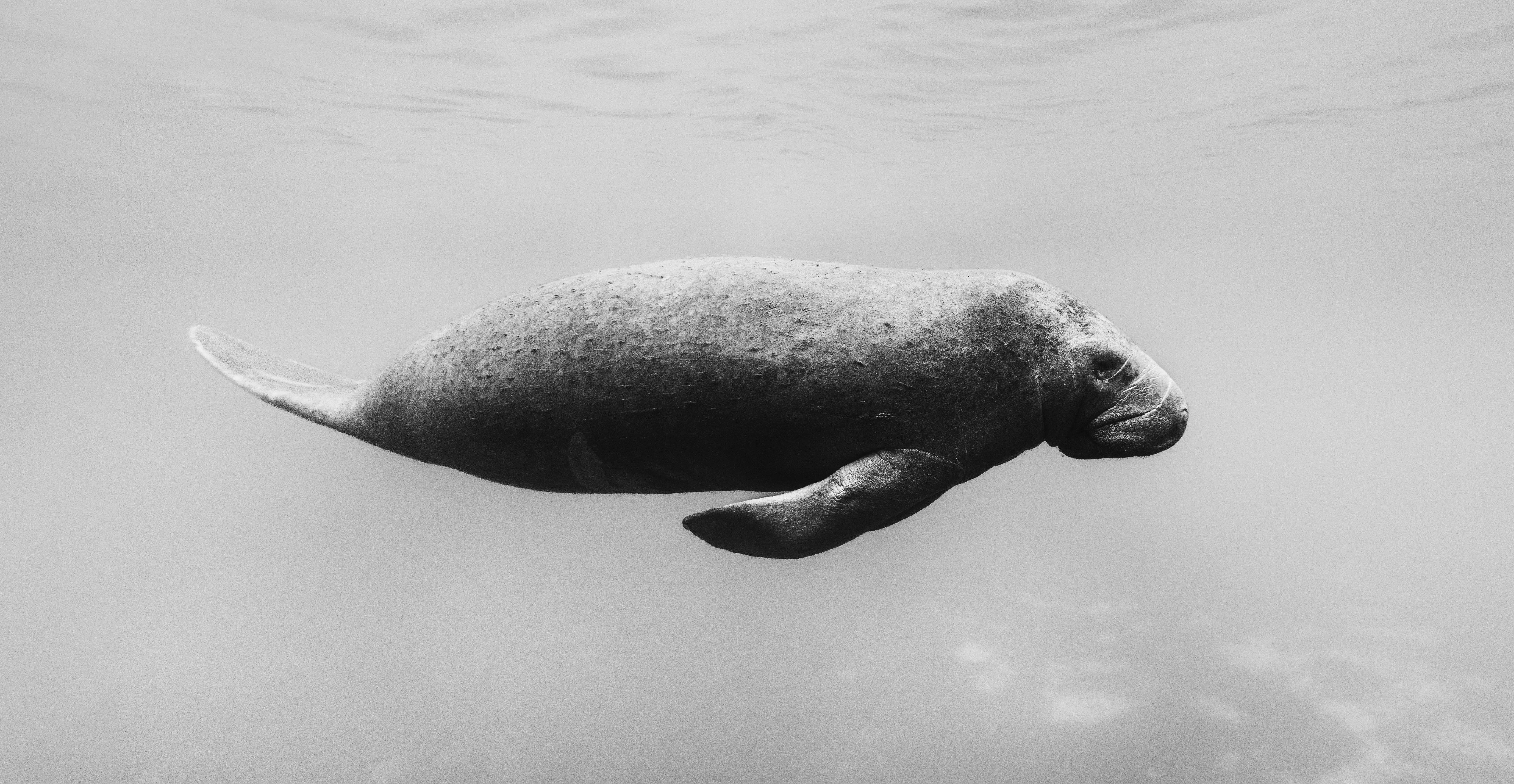
For additional information on this print, including availability, pricing, or edition details, please complete the form below.





.jpg)



.jpg)
.jpg)


%20srgb.jpg)