


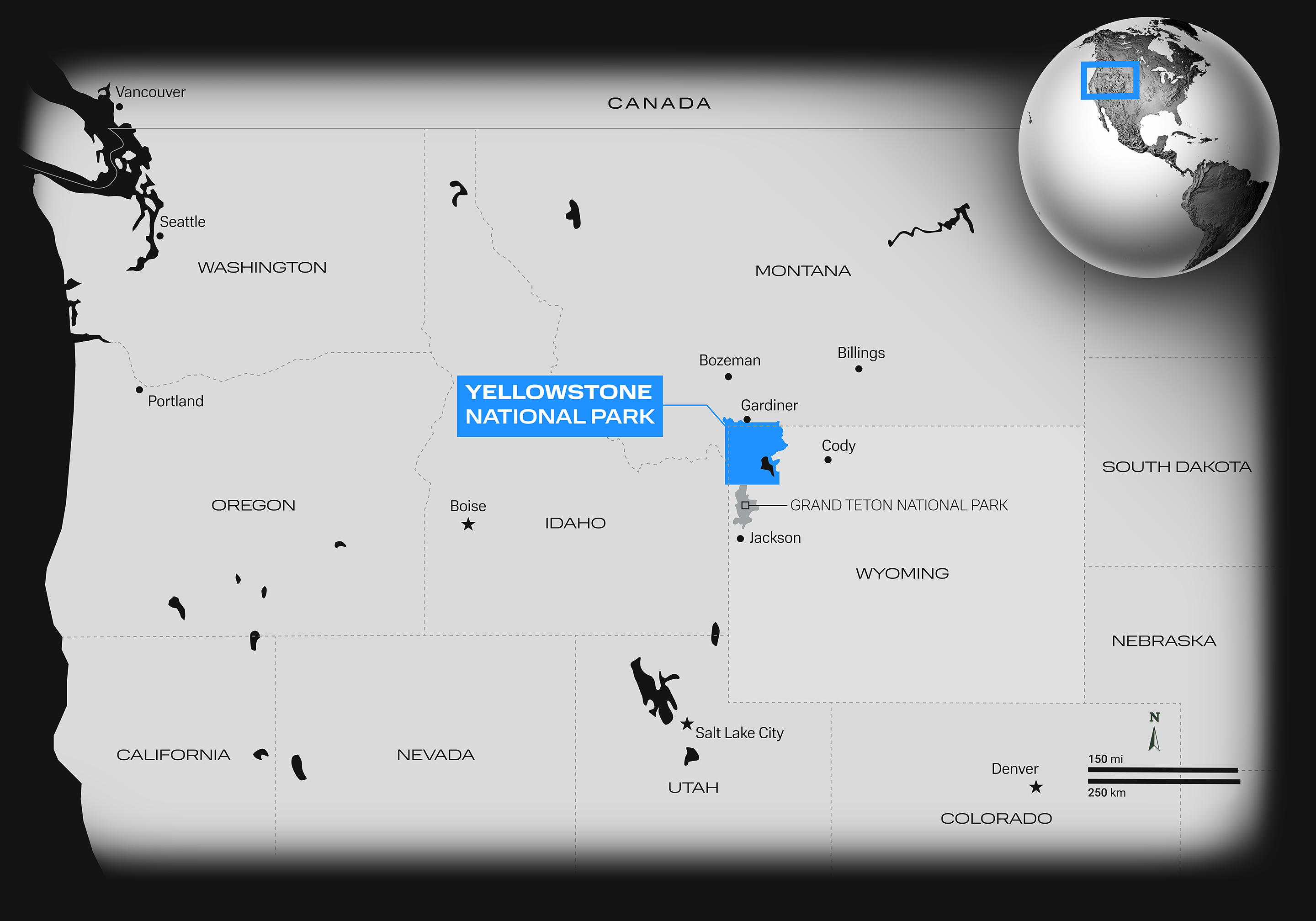
More than just a region, the West has represented both an idea and an ideal. A rugged, uncharted territory standing as an area of opportunity as well as great hardship. Some of America’s most resilient animals call this land home, each of which is shaped for the best chance of survival.
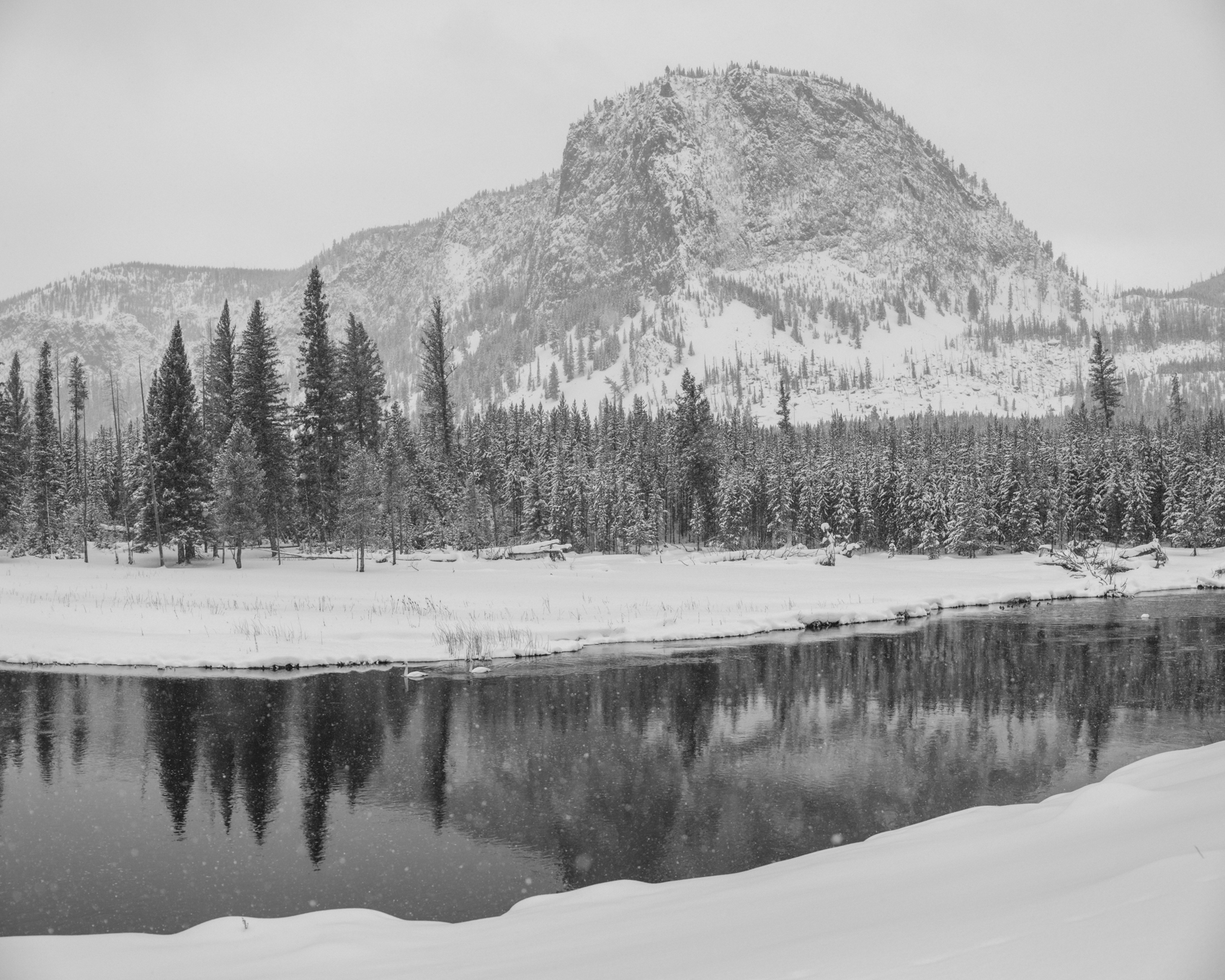
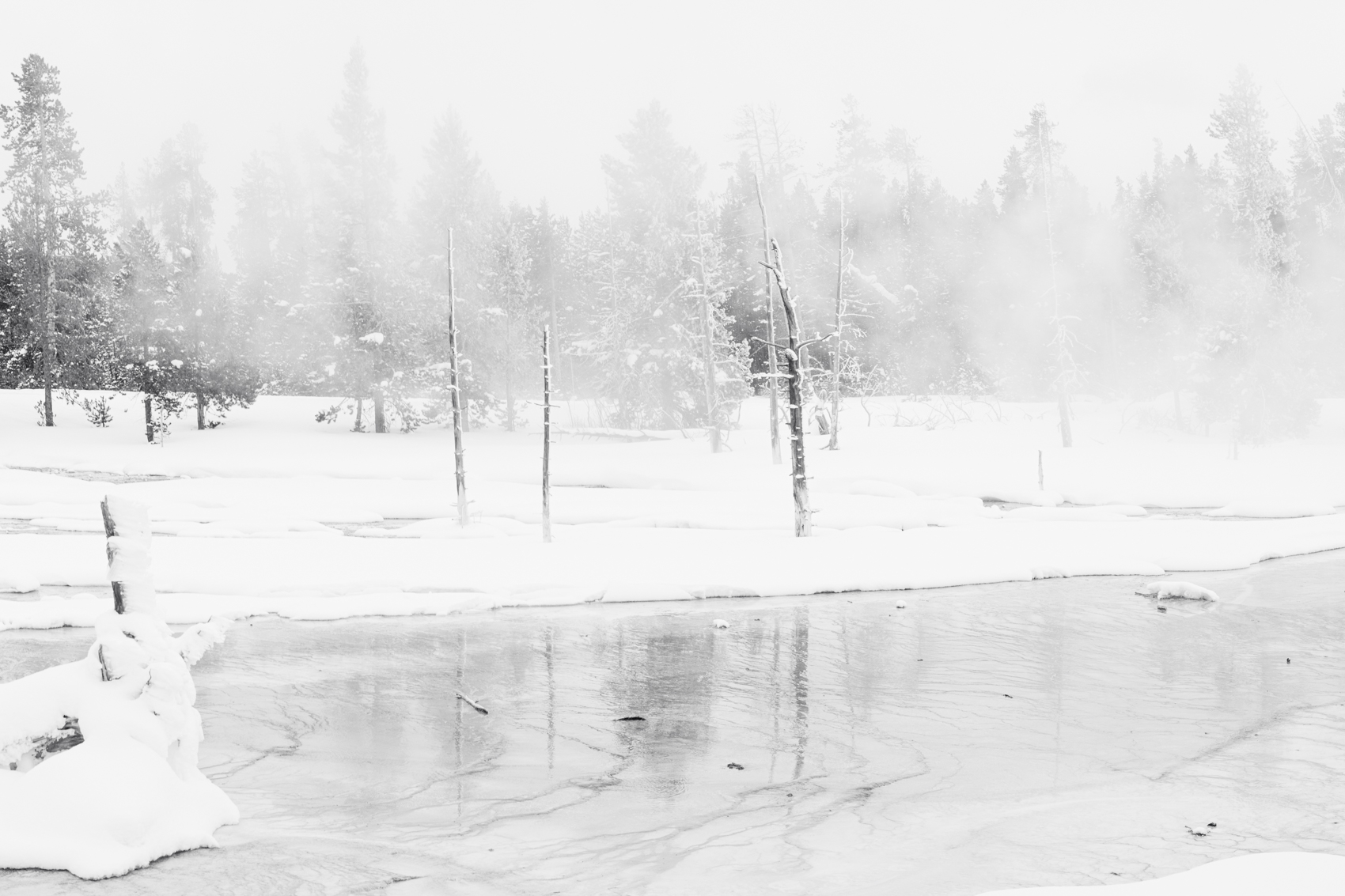
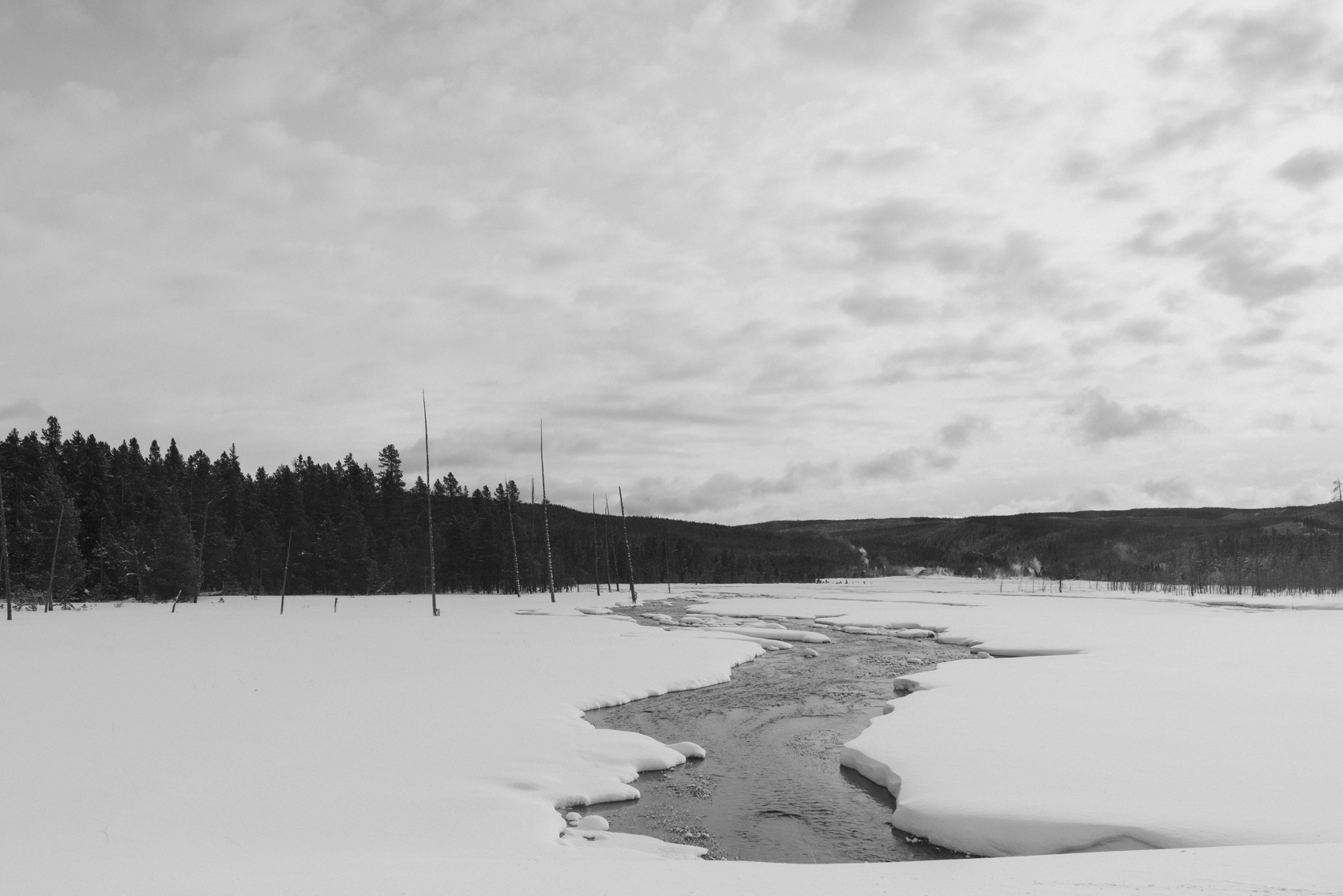
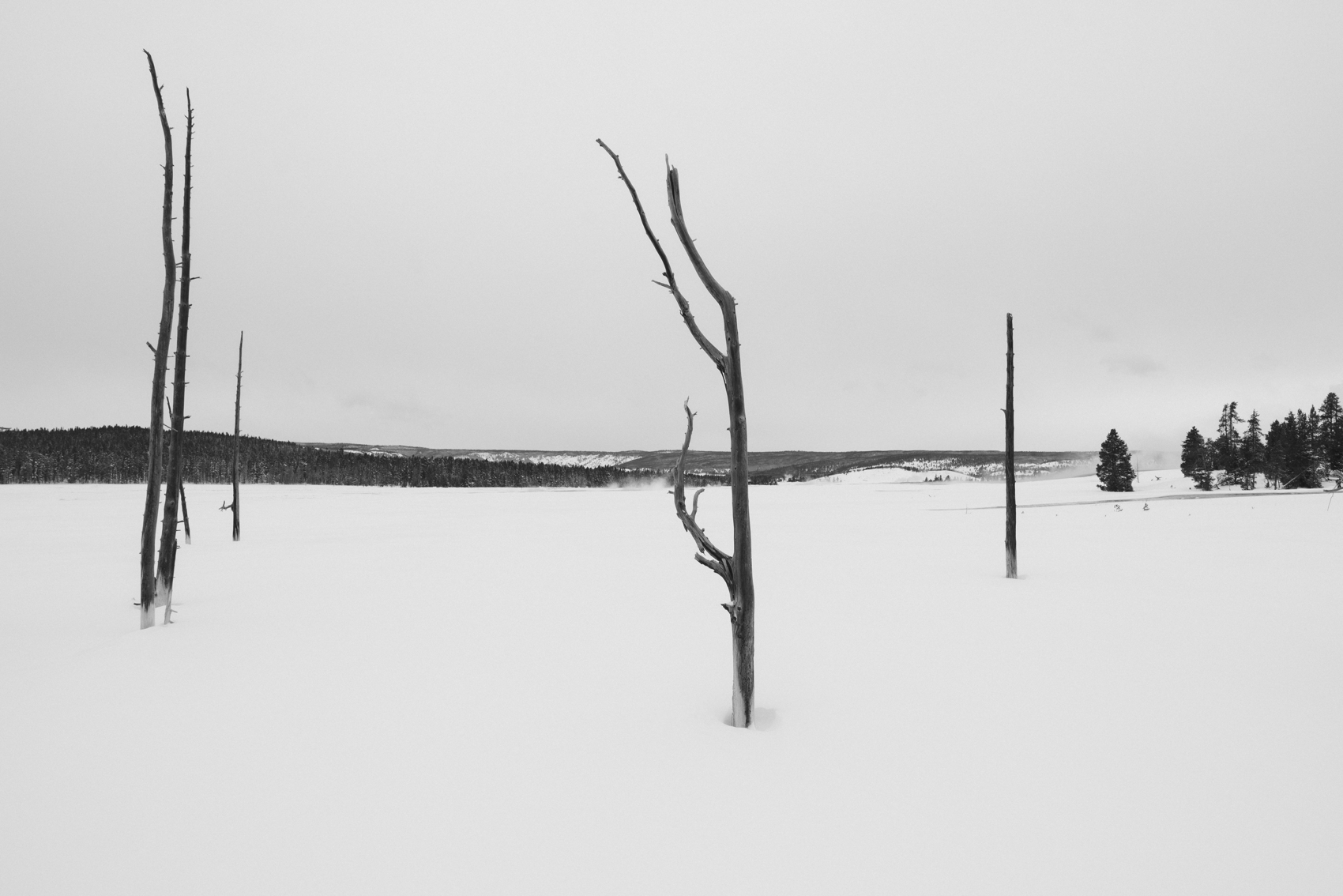
In early 2022, I made my second winter trip to America’s first National Park, a little wiser on how to properly experience it. Without the masses, everything seems more vast and more quiet. More like it might have been hundreds of years ago. The same animals roam now that did then, undisturbed as they cross the landscape.
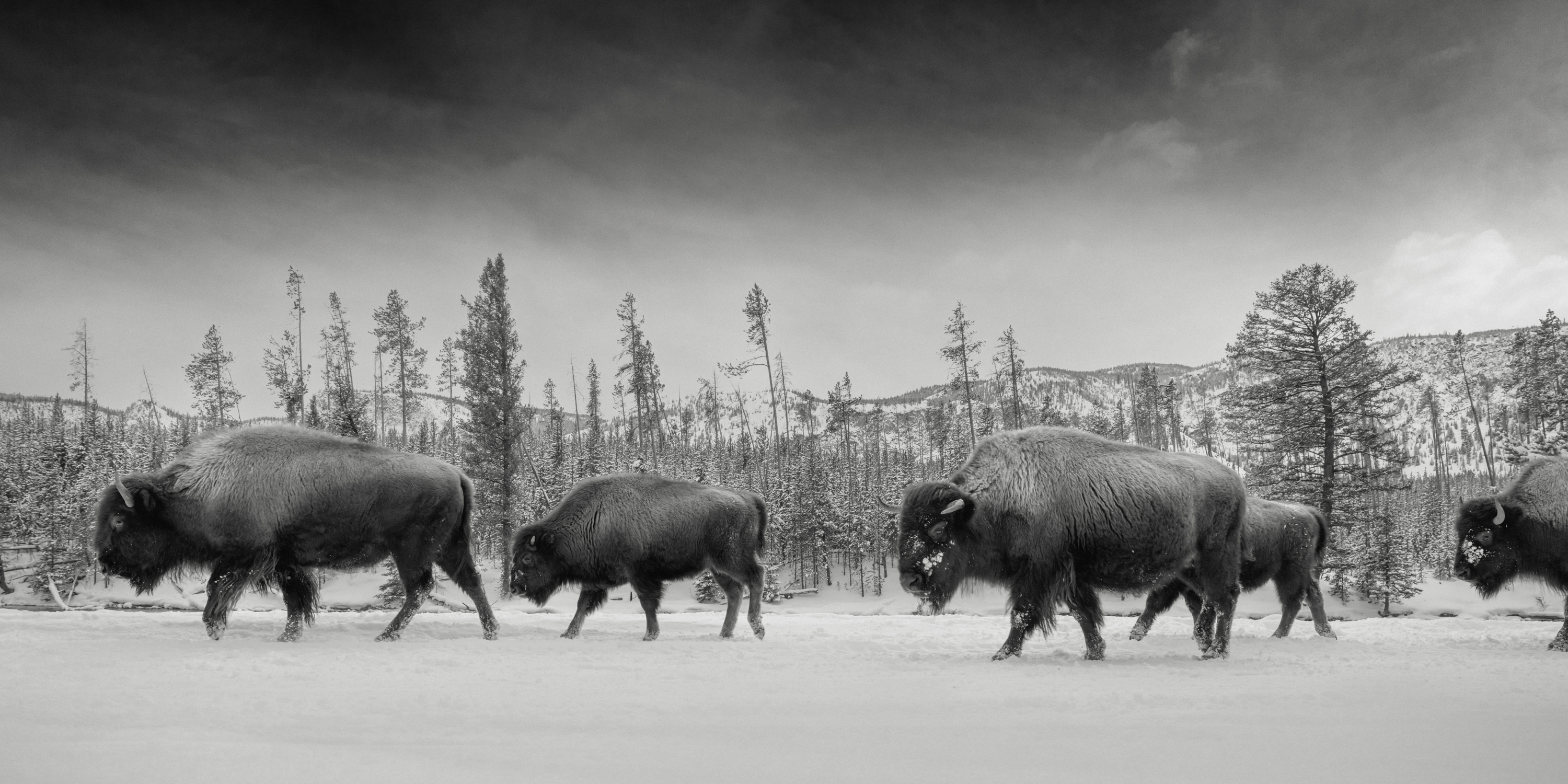
Against a white canvas, bison and their dark fur stand out like a sore thumb. In the early mornings before the sun rises, you’ll spot these still brown dots from afar. I spent the night in a warm bed while these horned beasts curled up in the snow as temperatures dropped below zero.
But for all their ruggedness, the animals are light on their hooves. Between the soft crackling sound of snow falling and the wind blowing, if I had closed my eyes, I wouldn’t have noticed this herd marching right alongside me. A brief glance of recognition from the passersby was the subtle reminder that I was actually part of the scene that seemed too perfect to be real.
I made my way back towards civilization while the bison trudged in the opposite direction. I faced another hour of the conditions. The herd marched head-on into another few months of them.

LIMITED EDITION
A moment captured for a life on paper.
Eric works with a renowned print studio in Brooklyn, New York, known for decades of expertise in archival pigment printing. The local lab allows for a collaborative approach, ensuring that his intended vision is expressed in the final artwork. When cared for properly, archival pigment prints can last for over a century.
Archival Pigment Prints
Modern printmaking, refined. Pigment prints utilize state-of-the-art digital technology and high-quality pigment-based inks to achieve striking reproductions. A digital image is applied directly onto the paper using precision inkjet printers, ensuring both image quality and longevity.
Vision meets the surface. Archival papers differ in weight, material, and texture. A paper is chosen to best suit the intent of the piece, from satin finishes to enhance rich shadows and colors, to handmade Japanese rice paper that offers a more textured and vintage feel.
The edition size ensures that only the number of prints indicated will ever be produced. Each print is proofed, reviewed, numbered, and signed by Eric, and includes a Certificate of Authenticity that is unique to your artwork.
Prices from $3,500 USD
14'' x 28'' / 35.6 x 71.1 cm
Edition of 10 + 2 AP
22'' x 44'' / 55.9 x 111.8 cm
Edition of 7 + 2 AP
32'' x 64'' / 81.3 x 162.6 cm
Edition of 5 + 2 AP
42'' x 84'' / 106.7 x 213.4 cm
Edition of 3 + 2 AP
56'' x 112'' / 139.7 x 279.4 cm
Edition of 2 + 2 AP
12'' x 24'' / 30.5 x 61 cm
Edition of 3 + 2 AP
Larger pieces available by commission

.webp)

Pigment-based inks and precision digital technology achieve striking reproductions. Each image is applied directly onto archival paper using high-fidelity inkjet printers, ensuring both image quality and longevity.

Archival papers differ in weight, material, and texture. Each is chosen to best suit the intent of the piece—from satin finishes that enhance shadows and color, to washi that offers a textured, tactile feel.
Silver gelatin prints are produced using traditional darkroom techniques that date back to the early 20th century. The image is exposed onto paper coated with a light-sensitive silver salt emulsion and developed through chemical processing.
The paper's gelatin layer captures intricate details and textures within an image. Prints reveal rich blacks and a broad tonal range, giving each piece a distinct dimensionality.
Each edition is strictly limited to the number of prints indicated. Every work is proofed, reviewed, signed, and accompanied by a numbered Certificate of Authenticity.
A select number of Artist Proofs are reserved for the artist, family, or collectors.
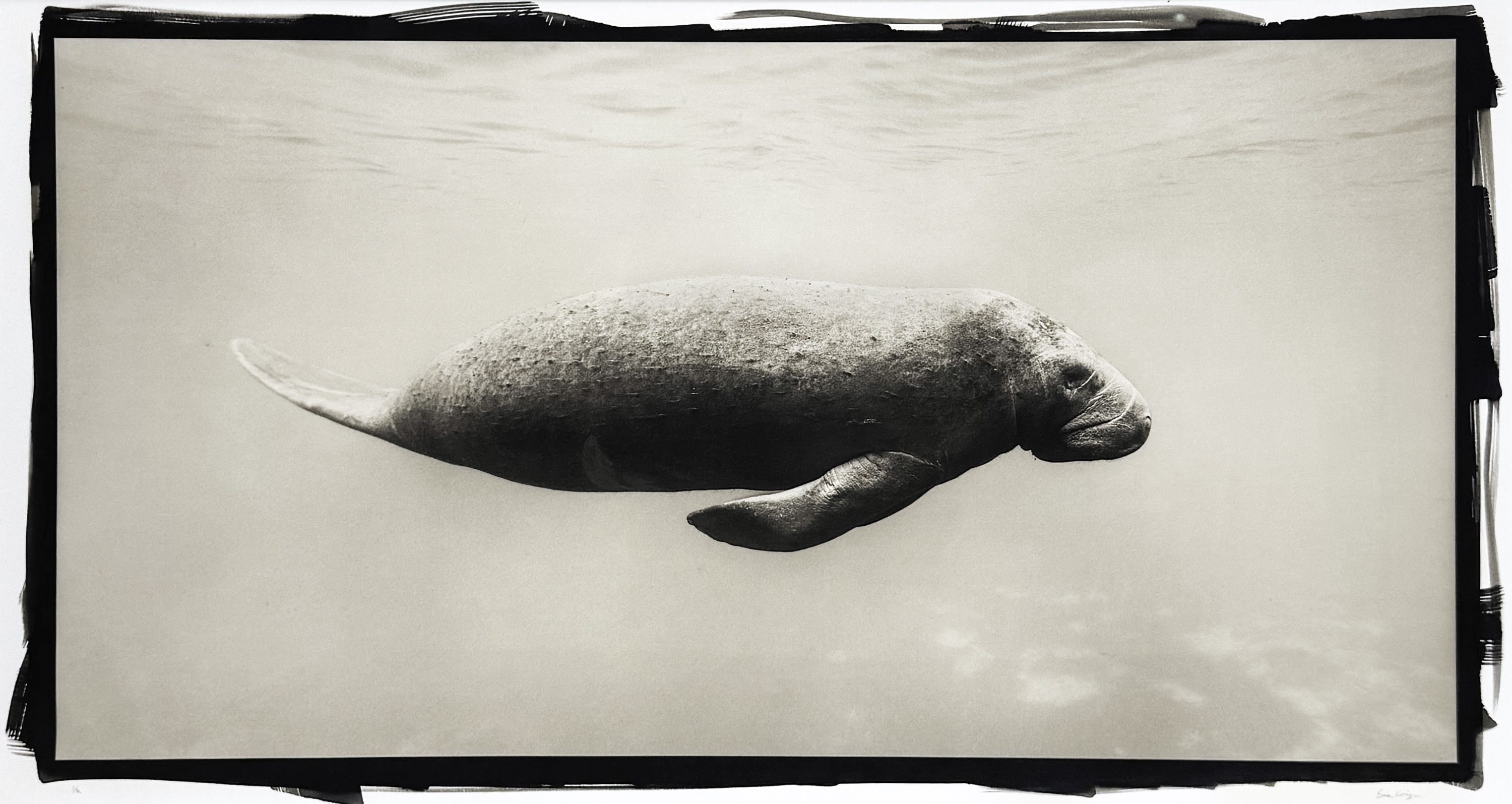
Platinum-palladium printing originated in the 19th century. It is a manual process requiring extensive preparation and craftsmanship, and some of the rarest metals on earth.
A digital photograph is converted to a negative of the image, which is then used in this traditional contact printing method.
Rich blacks, soft grays, and detail in shadows are unmatched, even by modern inkjet printers. Smooth tonal transitions and a warm appearance create a print that is uniquely platinum.
Black brush strokes around the edge of the image from the chemical application reveal the handmade nature of the piece—no two will ever be the same.
Platinum-palladium prints have an archival rating of more than 1,500 years.
A solution of noble metals is used to coat the paper, allowing for the print's longevity. When ultraviolet light is exposed through this digital negative onto the chemical layer, platinum particles become physically embedded in the fibers of the paper. These particles form the image, which is then developed in a chemical bath.
Each edition is strictly limited to the number of prints indicated. Every work is proofed, reviewed, signed, and accompanied by a numbered Certificate of Authenticity.
A select number of Artist Proofs are reserved for the artist, family, or collectors.
For additional information on this print, including availability, pricing, or edition details, please complete the form below.





.jpg)


.jpg)
.jpg)

%20srgb.jpg)